
What is a ceiling filter used for?
A ceiling filter is used in compatible paint spray booths to filter incoming air before it reaches the painting area. It helps reduce airborne dust that could affect the coated surface.
Air Filtration Filters
Ceiling Filter Manufacturer
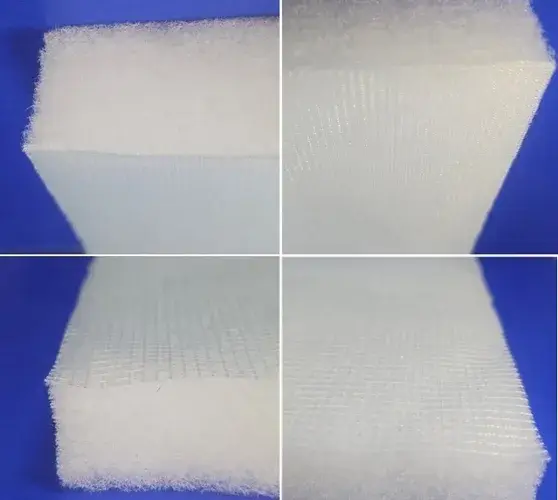
Ceiling filters are installed in the supply-air section of compatible paint spray booths to capture airborne dust before it reaches the coating area. Their filter media and construction influence particle retention, airflow distribution and operating resistance. The appropriate ceiling filter depends on booth design, filtration requirements and operating conditions.
In a paint spray booth, the cleanliness of incoming air can affect the quality of the finished surface. Airborne dust entering the painting area may settle on wet paint or freshly coated components, causing surface imperfections and additional finishing work.
A ceiling filter is generally installed in the supply-air section above the working area of a compatible paint booth. It filters incoming air before that air reaches the painting zone. This helps reduce airborne particle contamination and supports the booth's intended airflow pattern.
Ceiling filters are different from exhaust filters or paint arrestor filters. Ceiling filters treat incoming air, whereas exhaust-side filters capture paint overspray after it becomes airborne during the coating process. The two serve different functions and should be specified separately.
The booth's ventilation system moves incoming air through the ceiling filter media. As air passes through the media, airborne particles are captured by the filter structure. The filtered air then enters the painting area according to the booth's airflow design.
Some ceiling filter media use a layered structure with progressively denser fibres towards the clean-air side. This design can help capture particles while distributing filtration across the media. The exact construction depends on the filter model.
As particles accumulate, resistance to airflow may increase. A heavily loaded filter can affect the booth's airflow balance and operating performance. Regular inspection and replacement according to the filter specification and booth maintenance requirements help maintain the intended conditions.
Ceiling filters are particularly relevant to finishing processes where incoming-air cleanliness matters.
Automotive painting: Helps reduce airborne dust entering vehicle painting and refinishing booths.
Industrial coating lines: Used in compatible booths for coating machinery, metal parts and fabricated components.
Furniture manufacturing: Supports cleaner incoming air during spray finishing of suitable furniture products.
Metal fabrication: Used in painting areas where airborne particles may affect coating quality.
Appliance manufacturing: Supports filtration in suitable finishing areas for metal appliance components.
Commercial paint booths: Used in compatible spray booths where supply-air filtration is required.
The correct filter depends on the booth configuration, the required finish quality and the ventilation system. Not every ceiling filter is suitable for every paint booth.
Ceiling filter media is selected according to the required particle capture, airflow and operating environment.
Synthetic fibre media, including polyester-based options, is used in some paint booth ceiling filters. Certain products feature progressive-density construction, surface treatments to help retain particles, or a reinforced clean-air side. These features vary by model and must be confirmed from the relevant product data.
Important construction considerations include:
Filter media: Determines the filtration characteristics and suitability for the booth.
Layered structure: May support particle capture across the media depth.
Clean-air-side reinforcement: Certain designs use a backing layer to support the media.
Thickness and density: Affect how the media fits the booth and performs under specified airflow conditions.
Supply format: Depending on the product, ceiling media may be supplied in rolls, sheets or cut sections.
These are general industry design options, not confirmation that every construction or supply format is available from Amrit Filtration.
The filter should be matched to the actual paint booth rather than selected by appearance alone.
Booth dimensions and installation: The filter must fit the ceiling frame or designated filter section correctly.
Filtration grade: Check the specified grade and test standard instead of assuming that all ceiling media offers the same performance.
Airflow and resistance: The media should be compatible with the booth's designed airflow and acceptable pressure drop.
Dust-holding characteristics: The media's ability to retain particles affects loading behaviour and replacement requirements.
Operating conditions: Temperature, humidity and the coating environment may influence media suitability.
Construction and orientation: Where the product specifies a clean-air side or airflow direction, installation should follow the manufacturer's instructions.
A suitable ceiling filter helps the ventilation system deliver the intended supply-air conditions. However, filter selection alone cannot guarantee a defect-free finish; booth cleanliness, airflow design, application technique and coating conditions also matter.
The condition of a ceiling filter should be checked as part of routine paint booth maintenance. Visible dust loading, physical damage, uneven seating or changes in booth airflow may indicate that inspection is required.
A loaded or damaged filter can affect the supply-air path and may increase the risk of airborne contamination. Replacement timing should be based on the manufacturer's instructions, operating conditions and relevant system indicators rather than a universal schedule.
During replacement, the filter should be fitted correctly, with no unintended gaps around the frame. The booth's required airflow direction and installation instructions should also be followed.
Businesses searching for Ceiling Filter Manufacturers in Bangalore can contact Amrit Filtration Private Limited to discuss their paint booth filtration requirements. The appropriate product depends on the booth design, filter dimensions, required filtration grade and operating airflow.
For a product enquiry, provide the existing filter dimensions, booth type and any available technical specification or product reference. This information helps clarify the required filter before its compatibility is confirmed.
Visit Amrit Filtration's website to access the company's contact details and enquire about ceiling filter requirements.
A ceiling filter is used in compatible paint spray booths to filter incoming air before it reaches the painting area. It helps reduce airborne dust that could affect the coated surface.
No. A ceiling filter treats incoming supply air, while a paint arrestor filter is generally installed on the exhaust side to capture airborne paint overspray. They perform different functions.
It captures airborne particles from incoming air before that air reaches the coating zone. Actual performance depends on the media, installation and booth ventilation design.
Some ceiling filters use synthetic fibres, including polyester-based media. Other construction details depend on the model and should be verified from its technical specification.
They are used in compatible automotive paint booths, industrial coating lines, furniture finishing areas and other spray painting applications where incoming-air filtration is required.
Check the booth dimensions, required filtration grade, airflow, acceptable pressure drop and media construction. The selected filter must be compatible with the booth's supply-air system.
Yes. If incoming air carries dust into the coating zone, particles may settle on the painted surface. A suitable ceiling filter helps reduce this risk, but other booth and process conditions also affect finish quality.
Replacement frequency depends on dust loading, booth usage, airflow conditions and the filter manufacturer's guidance. Inspect the filter and follow the booth's maintenance requirements.
Some ceiling filter media products are supplied in formats that can be cut to size, while others are designed for specific assemblies. Confirm the available format and installation requirements for the selected product.
Visit Amrit Filtration's website to access the company's contact information and discuss your ceiling filter requirements.
Customer reviews
★ 0.0 (0 reviews)
Loading reviews...
Similar Picks
Paint & Surface Treatment Filters
Liquid Filtration Products
Liquid Filtration Products
Industrial Filter Cartridges