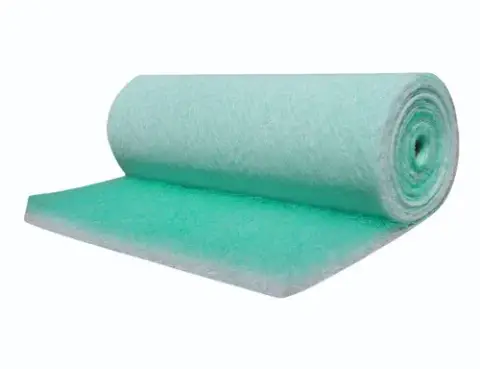
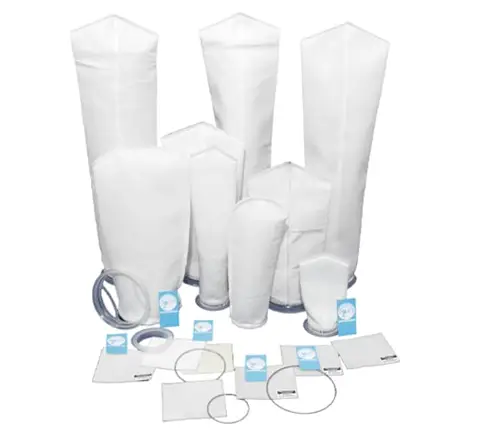
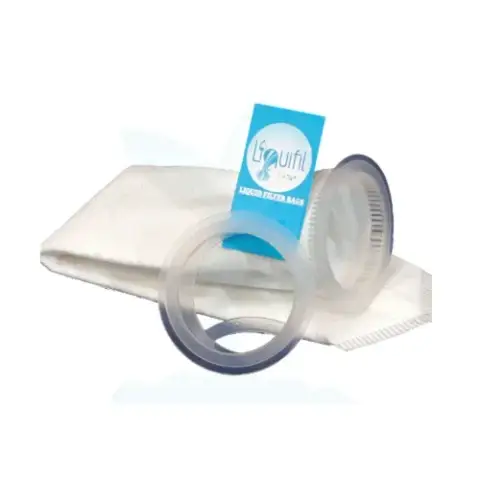
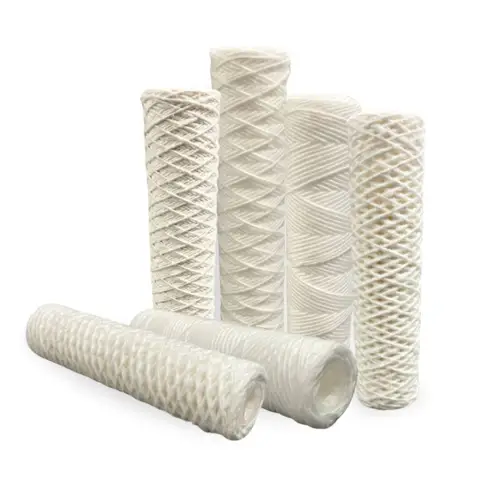
Sand blasting filters help capture airborne dust and abrasive particles generated during surface preparation and blasting operations. Used in compatible dust extraction systems, they support dust collection and help maintain suitable airflow around the work area. Amrit Filtration Private Limited can help buyers discuss filtration requirements based on their blasting equipment and operating conditions.
A sand blasting filter is a filtration component used in suitable dust extraction and collection systems associated with abrasive blasting operations. During blasting, abrasive material strikes a surface to remove rust, paint, scale or other unwanted coatings. This process can generate airborne dust, spent abrasive particles and material removed from the treated surface.
A compatible filtration system captures these airborne particles from the extracted air. Depending on the equipment design, the filtration element may be a cartridge, bag or another type of filter. The correct configuration depends on the dust collector and the conditions under which blasting takes place.
The term sand blasting filter can refer to different filtration components. Therefore, the exact filter type, dimensions and construction should be confirmed against the intended equipment before selecting a replacement or specifying a new component.
How Does a Sand Blasting Filter Work?
In a typical abrasive blasting setup, dust and airborne particles are drawn into a dust extraction system through a suitable collection arrangement. The dust-laden air then passes through the filtration component, which retains particles while allowing air to pass through the media.
As dust accumulates, resistance to airflow may increase. Depending on the dust collector design, accumulated material may be removed through pulse-jet cleaning, reverse-air cleaning or another compatible cleaning method. Collected dust is then directed to a designated collection area.
The filtration process depends on the collector's airflow, filter media, dust loading, particle characteristics and cleaning arrangement. A filter designed for one dust collection system may not be suitable for another.
Important distinction: A dust collector filter is different from a breathing-air filter used in respiratory protection equipment. They serve different purposes and should not be treated as interchangeable.
Industrial Applications of Sand Blasting Filters
Sand blasting filters are relevant to industrial processes where abrasive blasting produces airborne particulate matter and a compatible extraction system is used.
Metal fabrication: Dust collection during surface preparation of fabricated metal components.
Automotive and vehicle components: Filtration associated with suitable blasting operations for cleaning metal parts.
Shipbuilding and marine maintenance: Dust collection during compatible abrasive blasting activities involving metal surfaces.
Steel structures: Filtration during surface preparation before protective coating or painting.
Foundries: Dust extraction associated with suitable cleaning and finishing processes.
Heavy machinery: Collection of airborne particles during blasting of machine components and metal assemblies.
Industrial maintenance: Dust control during the removal of rust, scale or coatings from suitable surfaces.
Manufacturing workshops: Filtration in blasting cabinets, rooms or installations equipped with compatible extraction systems.
The appropriate filter depends on the abrasive media, the material being treated, the dust generated and the extraction equipment. Applications involving hazardous coatings or combustible dust may require additional controls based on a site-specific risk assessment.
Filter Media and Construction
Filter media plays an important role in capturing particles and maintaining airflow through an industrial dust collection system. Its selection depends on the properties of the dust, operating conditions and cleaning method.
Potential media used in industrial dust filtration include:
Polyester-based media: Used in suitable industrial dust collection applications.
Cellulose-based media: Considered for compatible dry-dust filtration conditions.
Blended filter media: Used where a combination of fiber properties suits the application.
Surface-treated media: Certain treatments may be selected to improve dust release or other filtration characteristics.
Specialized media: May be required where temperature, moisture or chemical exposure calls for specific material properties.
These are general industry options, not confirmation that all materials are offered by Amrit Filtration for sand blasting applications.
The overall filter construction may include a supporting frame or core, end caps, seals and a mounting arrangement, depending on the filter type. Dimensions and construction must match the dust collector to provide proper fitment and reduce the risk of unfiltered air bypass.
Factors That Affect Sand Blasting Filter Performance
The following factors influence the suitability and operating performance of a sand blasting filter.
Abrasive material: Different blasting media produce different particle characteristics and dust loads. The filtration system must be suitable for the material used.
Dust characteristics: Particle size, abrasiveness, moisture and the composition of removed coatings affect filtration requirements.
Airflow requirements: The filter must be compatible with the extraction system's intended airflow and operating conditions.
Filter media: Material selection should reflect the environment, dust properties and filtration requirements.
Cleaning mechanism: The filter must suit the dust collector's cleaning arrangement and operating cycle.
Dimensions and sealing: Correct fitment helps maintain airflow through the intended filtration path and reduces dust bypass.
Operating environment: Temperature, humidity and exposure to contaminants may affect filter suitability and service life.
A mismatch between the filter and the dust collector can contribute to increased pressure drop, inadequate dust capture, cleaning difficulties or premature filter damage. Performance should be assessed as part of the complete extraction system.
Benefits of a Suitable Sand Blasting Filter
A correctly specified sand blasting filter can support the operation of compatible industrial dust collection systems.
Helps capture airborne dust and abrasive particles.
Supports dust extraction during industrial surface preparation.
Helps maintain suitable airflow when matched to the equipment.
Provides a filtration stage for compatible blasting installations.
Allows replacement of individual filter elements where the system design permits.
Supports dust-control practices when used as part of an appropriately designed and maintained system.
Actual results depend on the dust collector, filtration media, installation, operating conditions and maintenance. A filter alone cannot guarantee a particular dust-removal efficiency, workplace exposure level or regulatory outcome.
Sand Blasting Filter Manufacturers in Hyderabad — Amrit Filtration
Industrial buyers searching for Sand Blasting Filter Manufacturers in Hyderabad can contact Amrit Filtration Private Limited to discuss their filtration requirements. The appropriate product depends on the blasting application, dust extraction equipment, filter type and required dimensions.
When enquiring about a sand blasting filter, useful information includes the existing filter's dimensions, dust collector model, abrasive material, operating conditions and available equipment specifications. Providing these details can help clarify the required filter configuration.
Visit Amrit Filtration's website to access the company's contact information and enquire about sand blasting filtration requirements.