Fume extraction filters are used in compatible extraction systems to capture airborne particles generated during industrial processes such as welding, soldering and metalworking. The appropriate filter depends on the type of fume, particle characteristics, airflow and operating conditions. Amrit Filtration Private Limited can help buyers discuss fume extraction filter requirements based on their application and equipment specifications.
What Is a Fume Extraction Filter?
Industrial processes such as welding, soldering, thermal cutting and selected manufacturing operations can release fumes and fine airborne particles. A fume extraction filter is a filtration component designed to capture suitable airborne contaminants as part of a compatible fume extraction system.
The filter works alongside other system components, which may include an extraction hood, ducting, a fan and a filter housing. The extraction arrangement draws contaminated air towards the filtration unit, where the selected filter media captures particles before the treated air moves through the system.
The correct filter depends on the type of fume generated, the particle characteristics, airflow, operating conditions and the extraction equipment. Not every filter is suitable for every fume, and filtration requirements should be assessed before selecting a product.
How Does a Fume Extraction Filter Work?
Fume extraction generally begins at or near the source of contamination. An extraction hood or nozzle collects the contaminated air and directs it towards the filtration unit.
As the air passes through the filter media, suitable airborne particles are captured on the filter surface or within its structure. The filtered air then moves through the remaining equipment according to the system design.
Filter performance depends on several factors, including particle size, media characteristics, airflow distribution and the condition of the filter. As contaminants accumulate, airflow resistance may increase, making inspection and maintenance important.
Some extraction systems are designed primarily for particulate filtration, while others may require additional filtration stages for specific contaminants. Gaseous pollutants and vapours may require different treatment technologies. A particulate filter alone should not be assumed to remove all hazardous gases or chemical vapours.
Industrial Applications of Fume Extraction Filters
Fume extraction filters may be used in compatible systems across several industrial environments.
Welding operations: Welding can generate fumes containing fine particles from the process materials and consumables. Suitable extraction and filtration equipment helps capture airborne particulate matter.
Metal fabrication: Cutting, grinding and other metalworking activities may produce smoke, dust or fine particles requiring an appropriate extraction arrangement.
Soldering and electronics manufacturing: Certain soldering processes generate fumes that may require source extraction and filtration suited to the process.
Thermal cutting: Plasma cutting and related processes can produce airborne particulate matter. Filter selection should account for the process, materials and extraction conditions.
Industrial workshops: Manufacturing and maintenance operations may use extraction systems to control fumes generated at workstations.
Other process applications: Additional industries may require fume filtration depending on their processes and the nature of the airborne contaminants.
The suitability of a particular filter must be evaluated for the actual application. Industrial buyers should identify the materials being processed and the contaminants generated before selecting filtration equipment.
Filter Media and Construction Considerations
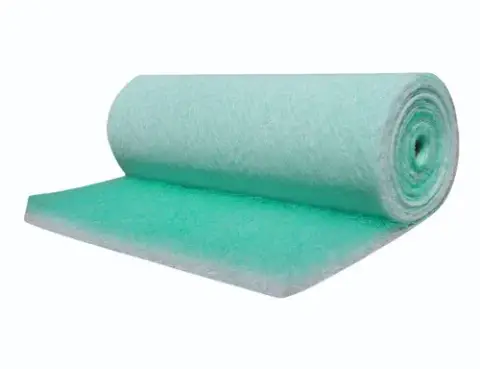
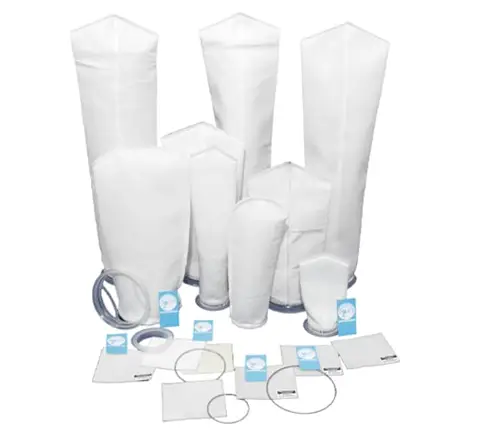
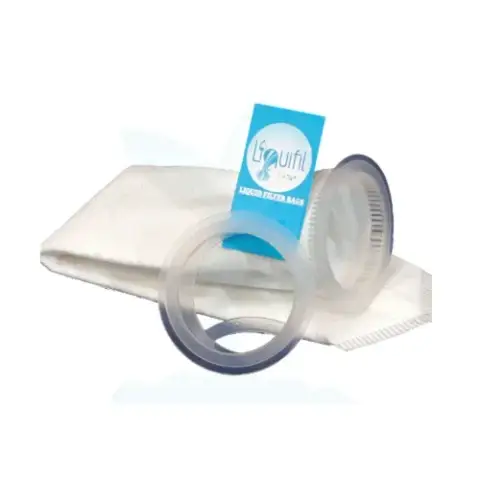
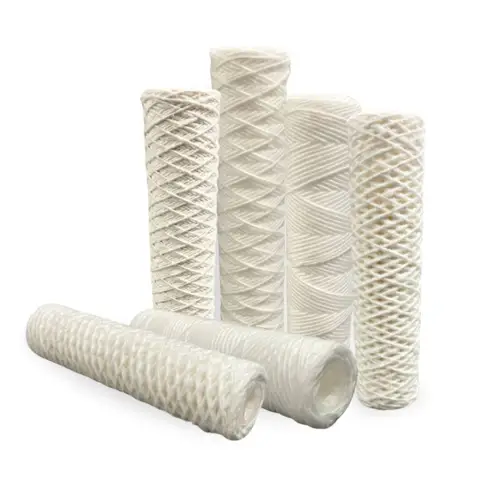
Fume extraction filters are available in different designs depending on the extraction unit and filtration requirements. The media may be arranged in a cartridge, panel, bag or another configuration suitable for the equipment.
The choice of filter media depends on the contaminants being captured, the particle-size distribution, operating temperature, moisture, airflow and the required filtration performance. Construction details such as the filter frame, seals, dimensions and installation arrangement must also match the equipment.
Some applications may require specialised media or multiple filtration stages. For example, systems designed to control certain gaseous contaminants may require a suitable adsorbent or other treatment stage in addition to particulate filtration.
Buyers should confirm the actual filter construction and media specifications with the supplier rather than assuming that every fume extraction filter uses the same design.
Factors to Consider When Selecting a Fume Extraction Filter
Choosing a suitable filter begins with understanding the process and the extraction unit.
1. Type of fume: Identify the process producing the fume and the materials involved. Different processes can generate different types of airborne contaminants.
2. Particle characteristics: Particle size, concentration and composition influence the required filtration approach.
3. Airflow requirement: The filter must be compatible with the airflow specified for the extraction system. An unsuitable filter can affect system resistance and extraction performance.
4. Filtration efficiency: Confirm the required efficiency and the test standard or performance classification applicable to the filter.
5. Operating temperature: Check the normal and maximum process temperatures against the filter's specified operating limits.
6. Chemical compatibility: Ensure that the media and other filter components are compatible with the contaminants and environmental conditions.
7. Filter dimensions: Verify the required length, width, diameter, connection points and housing arrangement.
8. Maintenance requirements: Understand the inspection, cleaning or replacement procedure recommended for the selected filter and equipment.
9. Additional treatment stages: Determine whether the application requires filtration for particles only or additional treatment for vapours and gases.
These checks help buyers select a filter that matches the process and the equipment rather than relying only on the product name.
Signs That a Fume Extraction Filter Needs Attention
A filter may require inspection when the extraction system experiences reduced airflow, increased pressure drop, visible leakage, physical damage or an unexpected change in performance.
However, these symptoms do not always mean that the filter itself is the only problem. Blocked ducting, damaged seals, fan issues, incorrect installation or changes in process conditions may also affect the system.
Follow the equipment manufacturer's maintenance guidance and investigate the cause before replacing a filter. Where the process involves hazardous fumes, ensure that inspection and maintenance follow the appropriate workplace safety procedures.
Why Proper Filter Selection Matters?
An unsuitable filter may fail to capture the intended particles, restrict airflow or deteriorate under the process conditions. Selecting a compatible filter helps the extraction system operate as designed and supports effective particulate control.
Filter selection should be based on the contaminants, airflow, operating environment and extraction equipment. Buyers should also confirm whether the filter is designed for cleaning or replacement and follow the relevant maintenance instructions.
Fume Extraction Filter Manufacturers in Ahmedabad – Amrit Filtration Private Limited
Amrit Filtration Private Limited can discuss fume extraction filter requirements with industrial buyers seeking filtration components for compatible extraction systems. When enquiring, share details about the process, type of fume, equipment model, airflow requirements and existing filter dimensions.
For businesses searching for fume extraction filter manufacturers in Ahmedabad, checking filter compatibility, media specifications and intended application is an important step before purchasing. Contact Amrit Filtration Private Limited to discuss your requirements and confirm the appropriate filter configuration.