
What Is a Cassette Filter?
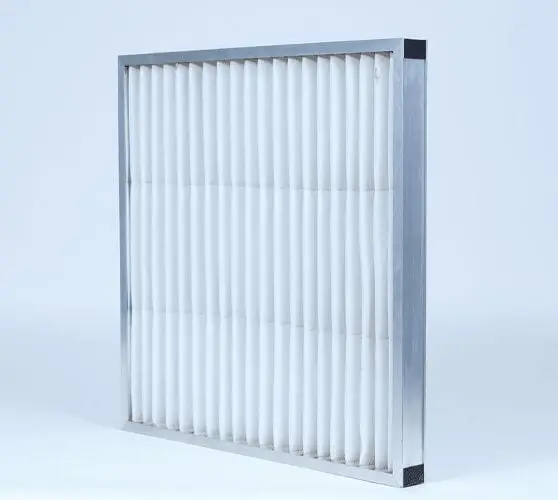
A cassette filter is an air filtration component housed within a frame that holds the filter media in position. It is designed to fit into a compatible filter housing, ventilation unit or air handling system.
Air Filtration Filters
Cassette Filter Manufacturer
Cassette filters are framed filtration components used in ventilation, HVAC and selected industrial air filtration systems. They capture airborne dust and particulate matter as air passes through the filter media. Their suitability depends on filtration efficiency, airflow, pressure drop, frame dimensions and the operating conditions of the intended application.
A cassette filter is an air filtration component housed within a frame that holds the filter media in position. It is designed to fit into a compatible filter housing, ventilation unit or air handling system. The framed construction supports installation, removal and replacement during routine maintenance.
Cassette filters are commonly associated with panel-style air filtration designs. Depending on the specific model, the media may be arranged as a flat panel or in another configuration that increases the available filtration surface. The frame helps maintain the filter's shape and provides a mounting interface for the equipment.
The term cassette filter can describe different products depending on the industry and equipment. Therefore, the intended application, filtration function and physical design should be confirmed before selecting a filter. A cassette filter designed for one system may not be suitable for another.
When air passes through a cassette filter, the filter media captures particles according to its material structure and filtration characteristics. Larger particles may be retained through interception or impaction, while finer particle capture depends on the media design and its rated performance.
As the filter collects dust, resistance to airflow can increase. This resistance is commonly assessed through the pressure drop across the filter. A filter that becomes excessively loaded may restrict airflow and affect the performance of the ventilation or air handling system.
Inspection and replacement should follow the filter manufacturer's recommendations and the operating requirements of the equipment. Proper installation is equally important because gaps around the frame can allow unfiltered air to bypass the media.
Cassette filters may be used in different environments where framed air filtration elements are suitable for the equipment design.
Commercial HVAC systems: Filtration of airborne dust in compatible ventilation and air conditioning equipment.
Office buildings: Air filtration in central ventilation systems serving occupied spaces.
Industrial facilities: Particulate filtration in suitable process ventilation and air handling arrangements.
Commercial establishments: Filtration in compatible ventilation equipment used in shops and other commercial premises.
Manufacturing environments: Air filtration where the required particle-removal performance matches the cassette filter's specifications.
Air handling equipment: Installation in designated filter sections where the frame dimensions and airflow requirements are compatible.
General ventilation systems: Dust filtration in applications that use framed panel-style filters.
The appropriate cassette filter depends on the actual equipment, air quality requirements and environmental conditions. Specialized applications may require additional filtration stages or a different filter design.
The filter media determines how the cassette filter captures particles and performs under operating conditions. Different media types have different characteristics, and selection should be based on the intended application.
Potential materials used in framed air filters include:
Synthetic fibre media: Used in suitable general air filtration applications.
Nonwoven filter media: Available in different structures for different filtration requirements.
Fibreglass media: Used in selected air filtration designs where its characteristics meet the application requirements.
Other application-specific media: Selected where particular filtration or operating characteristics are required.
These are general industry material options, not confirmation that every material is available from Amrit Filtration.
The frame may be constructed from metal, plastic, cardboard or another suitable material, depending on the filter design and operating environment. Frame rigidity, media attachment and sealing are important because the filter must remain securely positioned while air passes through it.
Filter thickness, overall dimensions, media arrangement and edge sealing should match the intended filter housing. Moisture exposure, temperature and cleaning requirements may also affect the suitability of a particular construction.
A cassette filter should be selected according to the requirements of the complete air filtration system.
Filter dimensions: The length, width and thickness must match the available housing and installation space.
Filtration efficiency: Select a filter with a documented performance rating appropriate to the application. Do not assume all cassette filters capture the same particle sizes.
Airflow capacity: The filter should be suitable for the required airflow through the system.
Pressure drop: Initial resistance and the expected increase during operation can affect fan performance and energy consumption.
Dust loading: The amount and type of dust influence how quickly the filter becomes loaded.
Frame material: The frame should be suitable for the operating environment and installation arrangement.
Operating conditions: Temperature, humidity and exposure to contaminants can influence filter material selection.
Considering these factors together helps reduce the risk of poor fitment, excessive airflow resistance or inadequate particle capture.
A properly selected cassette filter can provide practical advantages in compatible air filtration systems:
Convenient installation: Framed construction helps position the filter within a compatible housing.
Straightforward replacement: The cassette design can simplify routine filter changes where the equipment permits.
Airborne dust capture: Suitable media helps remove particulate matter from passing air.
Compact construction: Framed filters can fit into designated filtration sections without requiring a separate bag-style arrangement.
Equipment protection: Appropriate filtration can help limit dust accumulation on downstream HVAC components.
Maintenance support: Routine inspection and timely replacement help maintain the intended filtration performance.
Actual performance depends on the media, filter rating, airflow, installation and maintenance. A cassette filter alone cannot guarantee a particular indoor air quality level or remove gases and odours unless it incorporates technology specifically designed for those contaminants.
Industrial and commercial buyers searching for Cassette Filter Manufacturers in Bhiwadi can contact Amrit Filtration Private Limited to discuss their air filtration requirements. The suitable cassette filter depends on the intended application, required filtration performance, airflow, dimensions and filter housing design.
For a product enquiry, share the existing filter dimensions, equipment details, required filtration rating and operating conditions, where available. This information can help clarify the required configuration and compatibility.
Visit Amrit Filtration's website to access the company's contact information and enquire about cassette filter requirements.
A cassette filter is an air filtration component housed within a frame that holds the filter media in position. It is designed to fit into a compatible filter housing, ventilation unit or air handling system.
Air passes through the filter media, which retains particles according to its filtration characteristics. The framed construction holds the media in position inside the filter housing.
A cassette filter generally uses a framed panel-style construction, while a pocket filter has bag-shaped media pockets designed to provide a larger filtration surface. The appropriate type depends on the equipment and filtration requirements.
Depending on the design, cassette filters may use synthetic fibres, nonwoven media, fibreglass or other application-specific materials. The exact material should be confirmed against the product specifications.
Check the filter housing's length, width, thickness and mounting requirements. The replacement filter should match the equipment specifications to help ensure correct fitment and reduce air bypass.
Filtration efficiency indicates how effectively a filter captures particles under specified test conditions. The relevant rating and test standard should be checked before comparing different filter models.
As airborne particles accumulate on the media, resistance to airflow can increase. The rate of increase depends on dust loading, media characteristics, airflow and operating conditions.
Yes, cassette filters can be used in suitable industrial ventilation and air handling applications. The filter's media, frame and filtration rating must match the environmental and equipment requirements.
Replacement depends on the filter manufacturer's recommendations and operating conditions. Increasing pressure drop, visible damage or reduced airflow may indicate that inspection or replacement is required.
You can visit Amrit Filtration's website to access the company's contact information and discuss your cassette filter requirements.
Customer reviews
★ 0.0 (0 reviews)
Loading reviews...
Similar Picks
Paint & Surface Treatment Filters
Liquid Filtration Products
Liquid Filtration Products
Industrial Filter Cartridges