
What is a dust collector filter bag used for?
A dust collector filter bag captures airborne dust and particulate matter from industrial air streams. It is installed inside a compatible dust collection system to separate particles from the air.
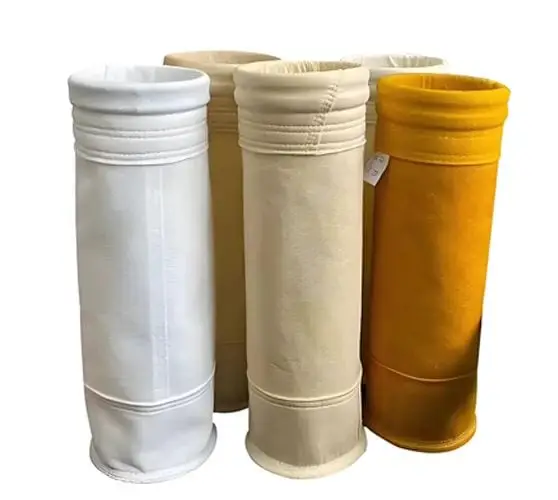
Dust Collection Filters
Dust Collector Filter Bag Manufacturer
Dust collector filter bags are fabric filtration components used to capture airborne dust from industrial air streams. Installed inside compatible dust collectors, they support particulate removal during manufacturing, material handling and processing. Their media, dimensions and construction depend on dust properties, operating temperature, airflow requirements and the equipment's cleaning mechanism.
A dust collector filter bag is a replaceable filtration element installed inside an industrial dust collection system. Its primary function is to capture airborne particles from dust-laden air while allowing air to pass through the filter media.
Industrial processes such as grinding, cutting, mixing, conveying and powder handling can release dust into the surrounding air. A dust collection system draws in this air and directs it through the filter bags. The bags retain particulate matter, helping the system separate dust from the air stream.
Dust collector filter bags are available in different materials, dimensions and constructions. The appropriate option depends on the application, the nature of the dust and the design of the dust collector. A bag that fits one machine may not be suitable for another, even if both are used for dust collection.
Dust collection involves several connected stages, and the filter bag performs the particle separation stage.
1. Dust-laden air enters the collector: An extraction system draws air containing suspended particles from the production area or process equipment.
2. Air reaches the filter bags: The collector directs the dust-laden air towards the filtration elements according to its internal design.
3. Particles are captured: The filter media retains dust while air passes through it. The exact capture performance depends on the media structure and operating conditions.
4. Dust accumulates on the media: As the collector operates, the retained particles form a dust layer. This accumulation can increase resistance to airflow.
5. The filter is cleaned: Depending on the dust collector, cleaning may use pulse-jet compressed air, reverse air or mechanical shaking. Detached dust is directed to a hopper or collection area.
The filter bag must be compatible with the collector's airflow direction, cleaning mechanism, dimensions and operating environment for the system to work as intended.
Dust collector filter bags are used in many industries where production processes generate airborne particulate matter.
Metalworking and fabrication: Capture of dust from grinding, polishing and other suitable finishing operations.
Cement and building materials: Dust collection during material transfer, processing and handling.
Woodworking: Collection of airborne particles from cutting, sanding and machining activities.
Pharmaceutical production: Dust filtration in compatible powder handling and processing systems.
Food processing: Collection of suitable dry ingredients and product dust during manufacturing.
Chemical manufacturing: Filtration of process dust where the selected media is compatible with the chemical environment.
Mineral processing: Dust collection associated with crushing, screening and material handling.
Plastic and rubber processing: Filtration of dust generated by suitable manufacturing and finishing operations.
General manufacturing: Extraction of dust from production machinery and industrial workstations.
The correct filter bag depends on the process generating the dust. Applications involving combustible particles, hazardous substances, moisture or corrosive gases may require specialized filtration media and additional safety controls.
The filter material influences particle capture, resistance to operating conditions, cleaning behaviour and service life. Different industrial applications require different media characteristics.
Common material options used in industrial dust filtration may include:
Polyester: Used in suitable general industrial dust collection applications.
Aramid: Considered for selected applications involving elevated operating temperatures.
PPS: Used where its thermal and chemical characteristics are appropriate for the process.
Fiberglass: Used in certain high-temperature filtration applications.
PTFE-based media or treatments: Considered for applications requiring specific chemical resistance or surface filtration characteristics.
These are general industry material options, not confirmation that every material or grade is available from Amrit Filtration.
Construction is equally important. A filter bag may include a specific top attachment, bottom design, seams, stitching and surface finish. These features determine how the bag fits inside the collector and responds to airflow and cleaning cycles.
The required bag length, diameter and attachment style should be checked against the existing equipment specifications. Incorrect dimensions or unsuitable construction may affect sealing, filtration performance and maintenance requirements.
Selecting a filter bag requires more than matching the product name. The following factors should be considered together.
Dust characteristics: Particle size, abrasiveness, moisture content and dust loading influence media selection and cleaning requirements.
Operating temperature: The selected media must tolerate the normal operating temperature and relevant temperature fluctuations.
Chemical compatibility: Exposure to moisture, acids, alkalis or other chemicals can affect the suitability of the filter material.
Airflow and pressure drop: The bag must be appropriate for the collector's designed airflow and operating resistance.
Cleaning mechanism: Pulse-jet, reverse-air and shaker systems impose different operating requirements on the filter bag.
Dimensions and fitment: Correct length, diameter and attachment details help ensure compatibility with the collector.
Operating environment: Startup, shutdown, condensation and changes in process conditions may affect filtration performance.
Reviewing these factors helps reduce the risk of selecting a bag that wears prematurely, cleans poorly or does not fit the equipment correctly.
Filter bags require inspection as part of routine dust collector maintenance. Several operating symptoms may indicate that a bag or the filtration system needs attention:
Increasing pressure drop across the filter.
Dust escaping from the collector's clean-air side.
Visible holes, tears or deterioration in the fabric.
Reduced airflow or ineffective dust extraction.
Cleaning cycles that no longer restore the expected operating conditions.
These symptoms do not always mean the filter bag itself is faulty. Problems with the cleaning system, installation, airflow or operating conditions can produce similar effects. Identifying the underlying cause before replacement can help prevent recurring issues.
Replacement intervals depend on the application, media, dust loading and equipment manufacturer's recommendations. There is no single service life that applies to every dust collector filter bag.
A properly specified dust collector filter bag can support effective operation of a compatible dust collection system.
Helps capture airborne particulate matter from industrial processes.
Supports dust extraction in production and material handling areas.
Can help maintain suitable airflow when correctly selected and maintained.
Works with compatible filter cleaning arrangements.
Allows individual filter elements to be replaced where the equipment design permits.
Supports industrial dust-control practices when used as part of a properly designed system.
Actual results depend on the filter media, collector design, installation, operating conditions and maintenance. A filter bag alone cannot guarantee a specific emission level, filtration efficiency or regulatory outcome.
Industrial buyers searching for Dust Collector Filter Bag Manufacturers in Ghaziabad can contact Amrit Filtration Private Limited to discuss their dust filtration requirements. The appropriate filter bag depends on the application, dust characteristics, operating temperature, collector design and required dimensions.
For a product enquiry, useful information includes the existing bag dimensions, dust collector model, filter media requirements, cleaning mechanism and process conditions. Providing these details can help clarify which filter bag configuration is appropriate for the application.
Visit Amrit Filtration's website to access the company's contact information and enquire about dust collector filter bags.
A dust collector filter bag captures airborne dust and particulate matter from industrial air streams. It is installed inside a compatible dust collection system to separate particles from the air.
Dust-laden air passes through the filter media, which retains particles while allowing air to pass through. Accumulated dust is removed using the cleaning mechanism provided by the dust collector.
They are used in metalworking, cement processing, woodworking, pharmaceutical manufacturing, food processing, chemical production, mineral processing and other industries that generate suitable airborne dust.
The appropriate material depends on temperature, dust characteristics, chemical exposure, moisture and cleaning conditions. Polyester, aramid, PPS, fiberglass and PTFE-based options are used in certain industrial filtration applications.
A dust collector filter bag is a broad category used in compatible industrial dust collection systems. A boiler filter bag is intended for suitable boiler exhaust filtration applications, where temperature and flue-gas conditions are especially important.
Check the existing bag's length, diameter, top attachment, bottom construction and equipment model. Confirm the dimensions against the dust collector specifications before selecting a replacement.
Possible causes include high dust loading, unsuitable filter media, moisture, ineffective cleaning or process conditions that cause dust to accumulate on the fabric. The actual cause should be investigated before replacement.
No. Different applications have different temperature, chemical, moisture and dust requirements. Filter media should be selected according to the actual operating environment and equipment design.
Replacement depends on its condition and system performance. Fabric damage, dust leakage, persistent high pressure drop or ineffective cleaning may indicate that inspection or replacement is required.
You can visit Amrit Filtration's website to access the company's contact information and discuss your industrial filtration requirements.
Customer reviews
★ 0.0 (0 reviews)
Loading reviews...
Similar Picks
Paint & Surface Treatment Filters
Liquid Filtration Products
Liquid Filtration Products
Industrial Filter Cartridges