What is a boiler filter bag used for?
A boiler filter bag is used to capture particulate matter from exhaust gases in compatible industrial dust collection systems. It helps separate dust and ash particles from the gas stream.

Dust Collection Filters
Boiler Filter Bag Manufacturer
Boiler filter bags are used in industrial dust collection systems to capture particulate matter from boiler exhaust gases. Designed according to operating conditions and filtration requirements, they help control dust emissions and support cleaner exhaust handling. The appropriate filter media and bag construction depend on temperature, gas composition, dust characteristics and equipment design.
Boiler filter bags are designed to capture fly ash and other particulate matter from industrial boiler exhaust gases. They support dust collection in compatible filtration systems across various industries. Amrit Filtration Private Limited helps industrial buyers explore boiler filter bag requirements based on operating conditions, filter media, and equipment specifications.
A boiler filter bag is a fabric filtration component used in dust collection systems to separate solid particles from the exhaust gases produced during boiler operation. When boilers burn fuels such as coal, biomass or other solid fuels, the resulting exhaust may contain fly ash, soot and other particulate matter. A suitable filtration system helps capture these particles before the cleaned gas moves towards the exhaust outlet.
The filter bag is an important part of a baghouse or fabric dust collector. Its filtration performance depends on the filter media, construction, operating conditions and compatibility with the dust collection equipment. The correct configuration helps support effective dust collection and reliable industrial operation.
In a typical baghouse system, dust-laden flue gas passes through the filter bags. The fabric retains particulate matter while the gas passes through the filter media. As filtration continues, collected dust forms a layer on the fabric surface, which also contributes to particle capture.
The accumulated dust must be removed periodically to maintain suitable airflow through the system. Depending on the dust collector design, cleaning may use pulse-jet compressed air, reverse air or a mechanical shaking arrangement. The collected dust generally falls into a hopper for further handling.
The exact airflow direction, cleaning mechanism and bag arrangement depend on the equipment design. Therefore, a boiler filter bag must be compatible with the existing dust collector rather than selected by product name alone.
Boiler filter bags are relevant to industrial operations where boilers generate particulate-laden exhaust gases and a fabric filtration system is used for dust control.
Common application areas include:
Power generation: Filtration of particulate matter from exhaust gases in applicable boiler installations.
Textile processing: Dust collection associated with industrial boilers used for process heating.
Sugar manufacturing: Filtration applications involving boilers that use bagasse or other suitable fuels.
Paper and pulp plants: Dust collection in boiler systems using approved fuel types.
Food processing: Exhaust filtration for applicable industrial boiler installations.
Chemical manufacturing: Boiler exhaust filtration where the filter media is compatible with the process conditions.
Biomass-fired boilers: Collection of ash and other airborne particles generated during combustion.
The suitability of a filter bag for any particular application depends on actual gas temperature, moisture, chemical composition, dust loading and collector configuration. Not every filter bag is suitable for every boiler or fuel.
The filter media is a key factor in determining how a boiler filter bag performs under operating conditions. Different fibers offer different thermal, chemical and mechanical characteristics.
Potential media options used in industrial fabric filtration include:
Polyester: Used in suitable applications where operating temperatures and chemical conditions fall within the media's limits.
Aramid: Considered for certain elevated-temperature dust collection applications.
PPS: Used in appropriate industrial environments where its chemical and thermal characteristics suit the process.
Fiberglass: Used in selected high-temperature filtration applications with suitable construction and operating conditions.
PTFE-based media or membrane treatments: Considered where the required filtration characteristics and chemical compatibility justify their use.
These are general industry material options, not a confirmation that every grade is available from Amrit Filtration. The final media must be selected using the manufacturer's technical data and the actual operating environment.
The bag's length, diameter, top attachment, bottom construction, seams and finish also influence fitment and performance. These details should match the requirements of the installed dust collector.
A boiler filter bag's suitability depends on more than its material name. Several operating factors should be considered when determining the required construction.
Gas temperature: Continuous temperature and short-term temperature excursions must remain within the selected media's limits.
Gas composition: Moisture, acidic components and other chemicals can affect fabric suitability.
Dust characteristics: Particle size, abrasiveness, loading and stickiness influence filtration and cleaning.
Cleaning mechanism: The bag must suit the collector's cleaning arrangement and operating cycle.
Dimensions and fitment: Correct dimensions and attachment details help ensure compatibility with the dust collector.
Operating conditions: Startup, shutdown, condensation and changes in boiler load may affect filter media performance.
Incorrect media selection or poor fitment can contribute to premature bag damage, increased pressure drop or inconsistent dust collection. Final specifications should therefore be confirmed against the actual equipment and process conditions.
A correctly specified boiler filter bag can provide several operational benefits:
Helps capture particulate matter from boiler exhaust gases.
Supports industrial dust collection and exhaust filtration.
Can help maintain suitable airflow when used and maintained correctly.
Works with compatible baghouse cleaning systems.
Allows replacement of worn or damaged filter elements without necessarily replacing the entire dust collector.
Supports dust-control objectives when integrated into a properly designed and operated filtration system.
Actual results depend on the complete filtration system, selected media, installation, operating conditions and maintenance practices. A filter bag alone cannot guarantee a particular emission level or regulatory outcome.
Amrit Filtration Private Limited offers industrial filtration products, including boiler filter bags, through its website. Buyers looking for Boiler Filter Bag Manufacturers in Gurgaon can contact the company to discuss their application, required dimensions, filtration media and compatibility with the existing dust collection system.
To help establish the appropriate product configuration, share the boiler application, existing bag dimensions, dust collector type, operating temperature and available technical specifications. These details can help clarify the product requirement before specifications are finalized.
For product details or an enquiry, visit Amrit Filtration's website or contact the company using the contact information listed on its website.
A boiler filter bag is used to capture particulate matter from exhaust gases in compatible industrial dust collection systems. It helps separate dust and ash particles from the gas stream.
Dust-laden gas passes through the filter fabric, which retains particulate matter while allowing gas to pass through. A compatible cleaning mechanism periodically removes accumulated dust from the bag.
They may be used in power generation, sugar manufacturing, textile processing, paper and pulp, food processing and other industries with suitable boiler dust collection systems.
Depending on operating conditions, industrial filter bags may use polyester, aramid, PPS, fiberglass or PTFE-based media. The appropriate material depends on temperature, gas chemistry, moisture and dust characteristics.
Some filter media are designed for elevated-temperature applications, but temperature limits vary by material grade and construction. The selected bag's continuous and peak temperature limits must be verified before use.
The bag's length, diameter, attachment style and construction should match the existing dust collector design. Equipment drawings or measurements of the current filter bag can help establish the required dimensions.
Boiler filter bags can be designed for compatible pulse-jet systems. The bag dimensions, support cage, attachment method and cleaning conditions must match the equipment.
Possible causes include unsuitable filter media, excessive temperatures, chemical attack, abrasion, moisture or condensation, incorrect fitment and unsuitable cleaning conditions. The actual cause should be assessed from operating data and the condition of the damaged bag.
Replacement depends on the bag's condition and operating performance. Visible damage, fabric deterioration, persistent pressure-drop problems or dust leakage may indicate a need for inspection and replacement.
You can contact Amrit Filtration Private Limited through its official website to discuss your boiler filtration requirements, required dimensions and technical specifications.
Customer reviews
★ 0.0 (0 reviews)
Loading reviews...
Similar Picks
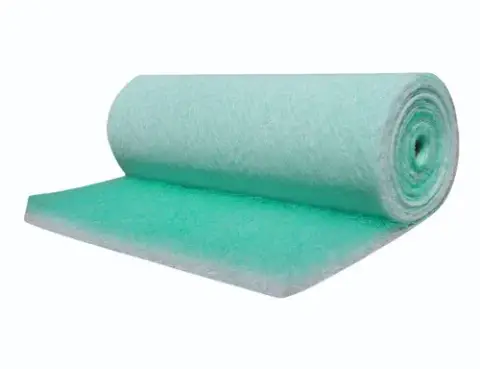
Paint & Surface Treatment Filters
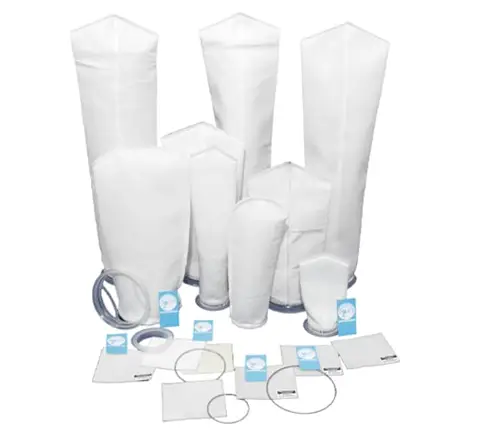
Liquid Filtration Products
Liquid Filtration Products
Industrial Filter Cartridges