
What is a pleated filter bag?
A pleated filter bag is a filtration component that uses folded media to provide a larger filtration surface within a compact design. It is used in compatible industrial dust collection systems.
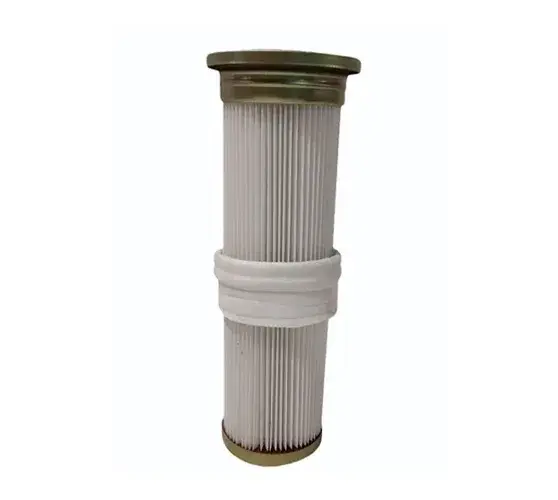
Dust Collection Filters
Pleated Filter Bag Manufacturer
Pleated filter bags use folded filtration media to provide an expanded filter surface within a compact design. They are used in compatible industrial dust collection systems to capture airborne particulate matter. Selection depends on media type, pleat configuration, dimensions, airflow, dust characteristics and compatibility with the existing collector.
A pleated filter bag is an industrial filtration component that uses folded or pleated media to create a larger filtration surface within a defined space. It is designed for compatible dust collection equipment where the pleated construction, dimensions and operating requirements suit the system.
Unlike a conventional cylindrical filter bag made from a relatively flat media structure, a pleated design arranges the filter material into folds. This construction can provide additional effective filtration area within a similar installation envelope, depending on the product design.
Pleated filter bags are not universally interchangeable with standard filter bags. The collector must be designed or adapted to accept the particular filter element, and the installation arrangement must provide appropriate sealing, airflow and cleaning compatibility.
Dust-laden air enters the filtration system and passes through the pleated media. The media captures suitable particles on its surface or within its structure, while filtered air continues through the collector.
The folded construction provides multiple filtration surfaces within the element. Actual performance depends on the media properties, pleat geometry, dust loading, airflow distribution and the design of the collector.
In systems equipped with a cleaning mechanism, accumulated dust may be removed according to the equipment design. The pleats must remain sufficiently open for the intended airflow and cleaning process. Dust that bridges or becomes trapped between folds can affect pressure drop and cleaning performance.
For this reason, pleat spacing, media stiffness, element dimensions and the cleaning method should be evaluated together before selecting a pleated filter bag.
The pleated structure creates multiple folds in the filter media. The effective filtration area depends on the element's dimensions, pleat depth, pleat spacing and media arrangement.
A pleated element may provide substantial filtration surface within a compact configuration. Whether it can replace an existing filter bag depends on the collector design and available installation space.
Pleated media may require suitable internal or external support to maintain its intended shape during operation. The support structure and end connections depend on the specific product design.
The filter must fit securely within the collector. Incorrect sealing or incompatible attachment dimensions can allow unfiltered air to bypass the media.
The filter media must match the dust characteristics, operating temperature, chemical exposure and cleaning conditions. The pleated shape alone does not determine filtration efficiency or operating suitability.
Pleated filter bags may be considered for industrial dust collection applications where the equipment supports this type of filter element.
Cement and mineral processing: Compatible systems may use pleated filtration elements to capture dust generated during material handling and processing.
Metalworking: Suitable pleated elements can be used in selected dust extraction systems, depending on the particulate matter and operating conditions.
Powder processing: Industrial processes that generate fine airborne particles may require a suitable pleated filter design and compatible dust collector.
Manufacturing facilities: Pleated elements may be used in compatible centralised or workstation dust collection systems.
Other industrial applications: Their suitability depends on the collector configuration, dust properties, temperature and required filtration performance.
These are potential application categories, not confirmation that every pleated filter bag is appropriate for each process. The filter must be matched to the actual application.
The primary distinction is the arrangement of the filtration media.
A conventional filter bag commonly uses a tubular construction and relies on its media surface and structure to capture particles. A pleated filter bag incorporates folds that increase the available media surface within the element's design envelope.
However, a larger nominal media area does not automatically guarantee lower pressure drop, longer service life or better filtration. These outcomes depend on the filter design, dust characteristics, airflow, cleaning mechanism and operating conditions.
A pleated filter element may also have different dimensional and attachment requirements from a conventional bag. Before replacing an existing filter, confirm that the collector can accommodate the proposed element and that the sealing and cleaning arrangements are compatible.
Filter media: Choose the media according to the particle characteristics, temperature, moisture and chemical exposure.
Pleat design: Pleat depth and spacing should suit the dust loading and cleaning arrangement. An unsuitable design may encourage dust accumulation between folds.
Filtration requirements: Confirm the required particulate capture performance and the applicable product specifications.
Airflow and pressure drop: Check the permitted airflow and pressure-drop range for the selected element and collector.
Dust characteristics: Particle size, concentration, abrasiveness and tendency to become sticky can influence filtration and cleaning.
Dimensions and attachment: Confirm length, diameter, end connections, sealing surfaces and installation clearances.
Cleaning compatibility: Check whether the element is compatible with the collector's cleaning method and operating cycle.
Operating environment: Evaluate temperature, humidity and chemical exposure to ensure the selected media is suitable.
Reviewing these factors together helps reduce the risk of selecting an element that fits physically but does not perform as required.
Pleated filter bags should be inspected according to the filtration equipment manufacturer's maintenance guidance. Relevant warning signs may include increasing differential pressure, reduced airflow, visible dust leakage, damaged pleats or deterioration around seals and attachment points.
The cause of a performance change should be investigated before replacing the element. Dust accumulation, unsuitable cleaning settings, moisture, incorrect installation and changes in process conditions can all affect operation.
During replacement, compare the existing element's dimensions, media specifications and attachment design with the replacement product. If the application or collector has changed, reassess compatibility rather than relying only on the previous part's appearance.
Amrit Filtration Private Limited can discuss pleated filter bag requirements with industrial buyers looking for filtration components for compatible dust collection systems. When enquiring, share the collector model, existing filter dimensions, dust characteristics, operating temperature, airflow requirements and cleaning method.
For businesses searching for pleated filter bag manufacturers in Jaipur, checking media specifications, element dimensions and collector compatibility is an important step before purchasing. Contact Amrit Filtration Private Limited to discuss your application and confirm the appropriate filter configuration.
A pleated filter bag is a filtration component that uses folded media to provide a larger filtration surface within a compact design. It is used in compatible industrial dust collection systems.
Its folded construction can provide additional filtration surface within a defined installation space. Actual benefits depend on the element design, dust characteristics and operating conditions.
No. Compatibility depends on the collector design, available space, attachment dimensions, sealing arrangement and cleaning mechanism. Confirm suitability before replacing a conventional filter bag.
The media depends on the intended application and operating conditions. Confirm the exact material, temperature limits and chemical compatibility for the product being considered.
A suitable pleated filter element can capture particles according to its specified filtration performance. Buyers should verify the product's efficiency rating and suitability for the dust involved.
Important factors include filter media, pleat spacing, airflow, dust loading, operating temperature, pressure drop and compatibility with the collector's cleaning system.
Only if the dust collector is designed or adapted to accept the pleated element. Dimensions, attachment, sealing and cleaning compatibility must be checked first.
Increasing differential pressure, reduced airflow, visible dust leakage or physical damage may indicate a problem. Inspect the element and system according to the equipment manufacturer's guidance.
Suitability depends on the specific media and element construction. Verify the continuous operating temperature, peak-temperature limit and chemical compatibility before use.
Businesses searching for pleated filter bag manufacturers in Jaipur can contact Amrit Filtration Private Limited to discuss their dust collection equipment and product requirements. Confirm availability and technical specifications before ordering.
Customer reviews
★ 0.0 (0 reviews)
Loading reviews...
Similar Picks
Paint & Surface Treatment Filters
Liquid Filtration Products
Liquid Filtration Products
Industrial Filter Cartridges