
What is a pulsejet filter bag?
A pulsejet filter bag is used in a compatible industrial dust collector that cleans filter bags with short bursts of compressed air. It captures dust and particulate matter during filtration.
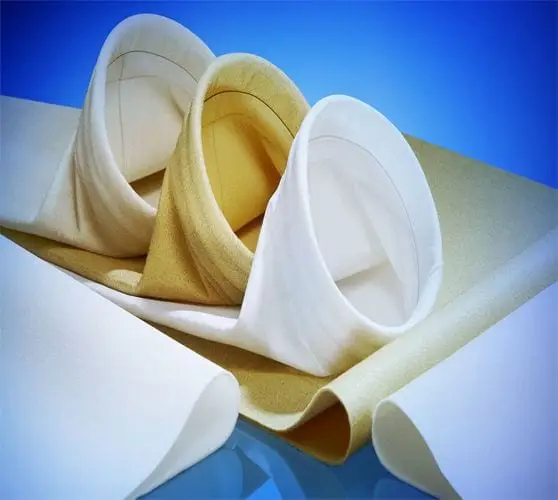
Dust Collection Filters
Pulsejet Filter Bag Manufacturer
Pulsejet filter bags are designed for compatible industrial dust collectors that use compressed-air pulses to remove accumulated dust from filter media. They capture particulate matter from air or gas streams during filtration. Selection depends on media type, operating temperature, dust characteristics, bag dimensions and cleaning system requirements.
A pulsejet filter bag is a filtration component used in baghouse dust collectors equipped with pulse-jet cleaning systems. It captures dust and particulate matter from industrial air or gas streams while allowing the filtered stream to pass through the media.
Unlike systems that rely primarily on manual cleaning or mechanical shaking, a pulse-jet dust collector uses short bursts of compressed air to dislodge accumulated dust from the filter bags. This cleaning method allows the collector to continue operating through repeated filtration and cleaning cycles, subject to the equipment design and operating conditions.
The filter bag must be compatible with the collector's dimensions, cleaning arrangement, temperature, gas composition and dust characteristics. Choosing the correct media and construction is essential because a bag designed for a different cleaning system may not perform as intended.
During normal operation, dust-laden air enters the dust collector and passes through the filter bags. The filter media retains suitable particles on its surface or within its structure, while the filtered air continues through the system.
As dust accumulates, resistance to airflow can increase. The pulse-jet cleaning system then releases a short burst of compressed air through the cleaning arrangement. This pulse causes the filter bag to flex or expand, helping dislodge the dust cake from its surface.
The detached dust falls into the collection hopper or another designated collection area, depending on the system design. The bag then continues its filtration cycle.
The effectiveness of this process depends on several factors, including compressed-air pressure, pulse duration, cleaning frequency, filter media, bag dimensions and dust characteristics. These settings should follow the dust collector manufacturer's operating guidance.
A pulsejet filter bag operates as part of a complete dust collection assembly. Important components may include:
Filter bag: The media element that captures particulate matter from the incoming air or gas stream.
Filter cage: A supporting structure installed inside compatible filter bags to help maintain their shape during filtration and cleaning.
Compressed-air manifold: Supplies compressed air to the cleaning system.
Pulse valves: Control the release of compressed air during cleaning cycles.
Blowpipe and nozzles: Direct the cleaning pulse towards the filter bag opening according to the collector design.
Tube sheet and sealing arrangement: Support the bags and help prevent dust-laden air from bypassing the intended filtration path.
Dust collection hopper: Receives dust dislodged during cleaning in systems designed with this arrangement.
Not every collector uses identical components. The filter bag and its attachment details must match the specific equipment configuration.
Pulsejet filter bags are used in compatible dust collection systems across industries that generate airborne particulate matter.
Cement manufacturing: Used in suitable dust collection systems handling dust from material processing and transfer operations.
Metalworking and fabrication: Can capture dust generated by compatible manufacturing and extraction processes.
Mineral processing: Used in dust collectors handling particulate matter from crushing, conveying and other suitable operations.
Chemical manufacturing: Applied where the filter media is compatible with the process gas, chemical exposure and operating conditions.
Food and powder processing: May be used in compatible systems that collect airborne powders, subject to the application's material and hygiene requirements.
Boilers and thermal processes: Suitable filter bags may be used where temperature, gas chemistry and moisture conditions match the media specifications.
General manufacturing: Used in industrial dust collection systems designed around pulse-jet cleaning.
The appropriate filter bag depends on the actual process. A standard pulsejet filter bag should not automatically be considered suitable for every industry or operating environment.
The filter media determines how the bag responds to temperature, chemical exposure, moisture, dust loading and cleaning stress.
Industrial filtration media can include polyester, polypropylene, aramid, PPS, glass fibre and PTFE-based materials, depending on the application and product construction. These are general industry options, not confirmation of the materials available from Amrit Filtration.
When choosing media, consider the following:
Temperature resistance: The media must tolerate normal operating temperatures and relevant peaks.
Chemical compatibility: Process gases and contaminants must be compatible with the filter material.
Moisture conditions: Humidity and condensation can affect filtration and media durability.
Dust characteristics: Particle size, abrasiveness, concentration and dust-release behaviour influence media selection.
Cleaning resistance: The material and construction must withstand the pulse-jet cleaning cycle.
Filtration requirements: The selected media must meet the intended particulate capture requirements.
The complete application should be evaluated rather than choosing a material based on one property alone.
Confirm the bag length, diameter and attachment arrangement against the collector drawings or existing filter bag specifications.
The cage dimensions and design must support the bag correctly without damaging the media or interfering with cleaning.
Check both continuous operating temperature and any short-term temperature peaks against the selected media's specifications.
Identify the dust type, particle size, concentration and whether the dust is abrasive, sticky or moisture-sensitive.
The filter bag must be compatible with the collector's pulse pressure, cleaning frequency and cleaning arrangement.
Review the system's design airflow and permissible pressure-drop range. Excessive resistance may indicate unsuitable selection, dust accumulation or an equipment issue.
Confirm that the media can withstand the process gas composition, humidity and potential condensation conditions.
The bag's top attachment and sealing arrangement must fit the tube sheet or collector mounting design to reduce the risk of bypass leakage.
Providing these details helps establish whether a proposed filter bag is appropriate for the existing dust collection system.
A pulsejet filter bag may require inspection if the collector experiences visible dust leakage, increased differential pressure, reduced airflow, damaged seams or unusual media wear.
Potential contributing factors include incorrect bag dimensions, unsuitable media, damaged seals, excessive cleaning intensity, inadequate cleaning, moisture or changes in dust characteristics.
An increase in pressure drop does not automatically mean the filter bag needs replacement. The cleaning system, compressed-air supply and other collector components should also be assessed.
Follow the equipment manufacturer's maintenance procedures when inspecting or replacing filter bags. For systems handling hazardous dust, apply the appropriate workplace safety and handling controls.
Regular inspection helps identify damage before it affects the wider filtration system. Maintenance intervals should be based on the equipment manufacturer's guidance, process conditions and observed operating performance.
When replacing pulsejet filter bags, verify the dimensions, media type, attachment design and filter cage compatibility. If the operating conditions have changed, reassess the specifications instead of ordering solely by the previous bag's appearance.
Correct installation and suitable cleaning settings help the filtration system operate according to its intended design. Replacement decisions should also consider whether the cause of premature wear has been identified and addressed.
Amrit Filtration Private Limited can discuss pulsejet filter bag requirements with industrial buyers seeking filtration components for compatible baghouse dust collectors. When making an enquiry, share the collector model, bag dimensions, dust characteristics, operating temperature, cleaning method and available equipment specifications.
For businesses searching for pulsejet filter bag manufacturers in Jaipur, confirming media suitability, bag construction and compatibility with the cleaning system is an important step before purchasing. Contact Amrit Filtration Private Limited to discuss your application and confirm the required filter bag specifications.
A pulsejet filter bag is used in a compatible industrial dust collector that cleans filter bags with short bursts of compressed air. It captures dust and particulate matter during filtration.
The system releases a short compressed-air pulse that helps dislodge accumulated dust from the filter bag. The detached dust falls into a collection area according to the collector design.
They may be used in compatible dust collection systems in cement, metalworking, mineral processing, chemical manufacturing, powder processing and other industrial applications.
Media may include polyester, polypropylene, aramid, PPS, glass fibre or PTFE-based materials, depending on the application. The actual material must be selected according to temperature, gas chemistry and dust characteristics.
Consider bag dimensions, operating temperature, dust properties, gas composition, filter media, cage compatibility and the cleaning system's operating requirements.
Many pulse-jet baghouse systems use internal support cages, but the requirement depends on the collector and filter element design. Confirm the configuration from the equipment specifications.
Possible causes include dust accumulation, ineffective cleaning, unsuitable filter media, moisture or other system issues. Inspect the complete collector rather than assuming the filter bag is the only cause.
Replacement frequency depends on operating conditions, dust loading, media selection, cleaning settings and the equipment manufacturer's recommendations. There is no universal replacement interval for every application.
It may be suitable if the selected media and construction are rated for the actual continuous and peak temperatures, gas chemistry and moisture conditions.
Industrial buyers searching for pulsejet filter bag manufacturers in Jaipur can contact Amrit Filtration Private Limited to discuss collector compatibility, filter dimensions and application requirements. Confirm product availability and technical specifications before ordering.
Customer reviews
★ 0.0 (0 reviews)
Loading reviews...
Similar Picks
Paint & Surface Treatment Filters
Liquid Filtration Products
Liquid Filtration Products
Industrial Filter Cartridges