
What are baghouse filters used for?
Baghouse filters capture airborne dust and particulate matter from industrial air streams. They are used in compatible dust collection systems across manufacturing, material handling and processing facilities.
Dust Collection Filters
Baghouse Filters Manufacturer
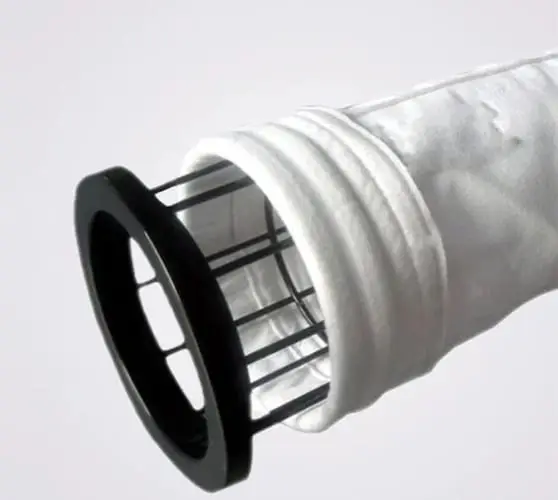
Baghouse filters are filtration components used in industrial dust collectors to capture airborne particles from process air and exhaust gases. They are commonly used in manufacturing, material handling and industrial processing operations. Filter selection depends on dust characteristics, gas temperature, airflow, cleaning mechanism and the design of the dust collection system.
Baghouse filters are used in fabric filtration systems designed to remove airborne dust from industrial air streams. In a typical baghouse dust collector, multiple filter bags are installed inside a housing. Dust-laden air passes through the filtration media, which retains particles while allowing air to move through the system.
The term baghouse filter may refer to the filter elements used inside a baghouse or, in some contexts, the filtration arrangement as a whole. For product selection and replacement, it is important to identify whether the requirement concerns filter bags, their supporting components or another part of the dust collection system.
Baghouse filtration is used where industrial processes generate dust that must be collected before the air is discharged or recirculated, subject to the system design and applicable requirements.
A baghouse system typically includes a housing, filter bags, a dust collection hopper, an airflow arrangement and a cleaning mechanism. The exact configuration varies with the application and equipment design.
During operation, dust-laden air enters the collector and passes through the filter bags. The fabric captures particulate matter, while the filtered air continues through the designated outlet. As dust accumulates on the media, a dust layer develops that can contribute to particle capture.
The accumulated dust must be removed periodically to prevent excessive resistance to airflow. Depending on the equipment, cleaning may use pulse-jet compressed air, reverse air or mechanical shaking. The detached dust falls into a hopper or another collection arrangement for handling.
The baghouse must be designed around the process conditions. Filter media, airflow, dust loading, cleaning settings and equipment geometry all influence system performance.
Baghouse filters are relevant to many industrial processes that generate airborne particulate matter.
Cement manufacturing: Dust collection around suitable material processing, conveying and handling operations.
Metal processing: Collection of dust generated by selected fabrication, grinding and finishing activities.
Power generation: Filtration of particulate matter in compatible boiler and process exhaust systems.
Wood processing: Dust collection from cutting, sanding and other woodworking operations.
Chemical manufacturing: Filtration where the selected media is compatible with the process gases and dust.
Food and ingredient processing: Collection of suitable dry powders and airborne particles.
Mineral processing: Dust control around crushing, screening and material transfer operations.
General manufacturing: Filtration at production equipment and material handling points.
The correct baghouse configuration depends on the specific process. Combustible dust, hazardous particles, corrosive gases and high-temperature exhaust may require specialized equipment and additional safety measures.
Filter media must be compatible with the temperature, chemical composition and physical characteristics of the dust-laden air.
Common industrial filter media options may include:
Polyester: Used in suitable general industrial dust collection applications.
Aramid: Considered for selected elevated-temperature environments.
PPS: Used in compatible applications where its chemical and thermal properties meet process requirements.
Fiberglass: Used in certain high-temperature filtration applications.
PTFE-based media or treatments: Considered for applications requiring particular chemical resistance or dust-release characteristics.
These are general industry options, not confirmation that every media type is available from Amrit Filtration. Selection should be based on verified media specifications and actual operating conditions.
The bag's dimensions, seams, top attachment, bottom construction and surface finish also matter. A technically suitable fabric may still perform poorly if the bag does not fit the collector or is incompatible with its cleaning mechanism.
A baghouse filter should be evaluated as part of the complete dust collection system.
Air-to-cloth ratio: This describes the relationship between airflow and the available filter media area. An unsuitable ratio can affect pressure drop, dust collection and filter life.
Dust properties: Particle size, abrasiveness, moisture and dust loading influence the required media and cleaning behaviour.
Operating temperature: The filter media must tolerate the normal operating temperature and any relevant temperature fluctuations.
Gas chemistry: Moisture, acids and other process constituents may affect the suitability and durability of filter materials.
Cleaning mechanism: Filter bags must be compatible with pulse-jet, reverse-air or shaker cleaning, as applicable.
Installation and sealing: Incorrect fitment or damaged seals can allow dust to bypass the intended filtration path.
These factors should be reviewed together rather than choosing a filter based on material name or dimensions alone.
Regular inspection helps identify conditions that may affect baghouse operation. Relevant indicators include increasing pressure drop, damaged filter bags, dust leakage, abnormal airflow and ineffective cleaning.
The cause of a problem should be identified before replacing filter elements. For example, premature damage may relate to abrasion, chemical incompatibility, excessive temperature, moisture or incorrect installation. Replacing a filter without addressing the underlying cause may not resolve the issue.
Maintenance intervals depend on the application, collector design, dust loading and manufacturer's recommendations. Safe isolation and appropriate handling procedures are important when inspecting industrial dust collection equipment, particularly where hazardous or combustible dust may be present.
A correctly selected baghouse filter can help a dust collection system:
Capture airborne particulate matter from industrial processes.
Maintain suitable airflow when properly sized and operated.
Support effective operation of compatible dust-cleaning systems.
Reduce dust carryover when the complete system is appropriately designed.
Allow replacement of individual filter elements where the equipment permits.
Support industrial dust-control objectives and applicable environmental requirements.
Actual filtration performance depends on the complete installation, filter media, operating conditions and maintenance. A filter alone cannot guarantee a particular emission level or regulatory compliance.
Industrial buyers searching for Baghouse Filters Manufacturers in Ludhiana can contact Amrit Filtration Private Limited to discuss their dust filtration requirements. The appropriate product depends on the application, existing collector design, filter dimensions, operating temperature, dust characteristics and cleaning mechanism.
For a product enquiry, buyers should provide the available equipment model, existing filter specifications and details about the process generating dust. These details help clarify whether the requirement concerns a baghouse filter bag or another filtration component.
Visit Amrit Filtration's website to access the company's contact information and enquire about baghouse filtration products.
Baghouse filters capture airborne dust and particulate matter from industrial air streams. They are used in compatible dust collection systems across manufacturing, material handling and processing facilities.
Dust-laden air passes through filter bags that retain particles while allowing air to pass through. A cleaning mechanism periodically removes accumulated dust, which is collected in a hopper or designated area.
A baghouse is an industrial dust collection system or housing that contains filtration elements. A filter bag is an individual fabric component installed inside that system. The precise product name depends on the component being supplied.
They are used in cement, metal processing, power generation, woodworking, chemical manufacturing, mineral processing, food processing and other industries that generate suitable airborne dust.
Depending on operating conditions, media may include polyester, aramid, PPS, fiberglass or PTFE-based options. The correct material depends on temperature, gas chemistry, dust characteristics and cleaning requirements.
The air-to-cloth ratio compares the airflow passing through the collector with the available filter media area. It is an important design consideration because it influences filtration loading, pressure drop and cleaning requirements.
Possible causes include excessive dust accumulation, ineffective cleaning, unsuitable filter media, excessive airflow or operating conditions that cause dust to remain on the fabric. The system should be inspected to identify the actual cause.
Certain filter media are designed for elevated-temperature applications, but allowable temperatures vary by material grade and construction. The selected filter must be verified against continuous and peak operating conditions.
Check the existing filter dimensions, media requirements, top attachment, bottom construction, cleaning mechanism and operating conditions. Confirm compatibility with the dust collector before ordering.
You can visit Amrit Filtration's website to access its contact details and discuss your industrial dust filtration requirements.
Customer reviews
★ 0.0 (0 reviews)
Loading reviews...
Similar Picks

Paint & Surface Treatment Filters
Liquid Filtration Products
Liquid Filtration Products
Industrial Filter Cartridges