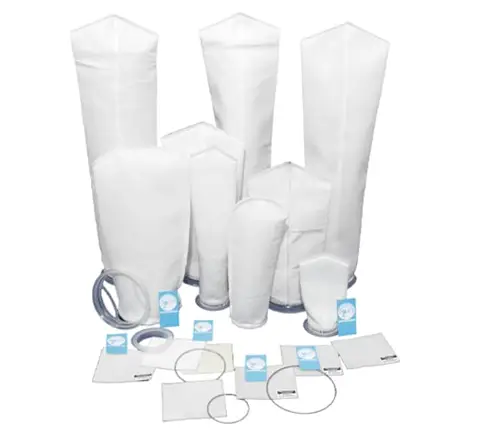
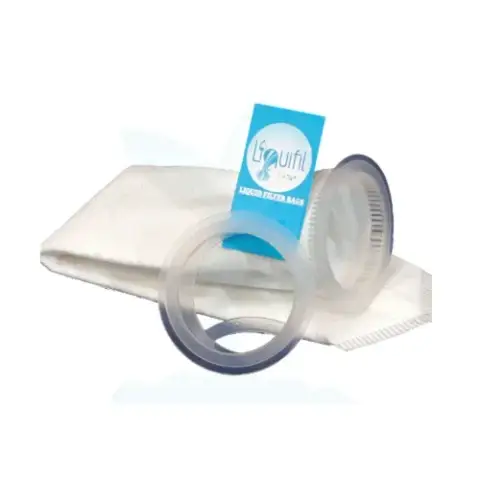
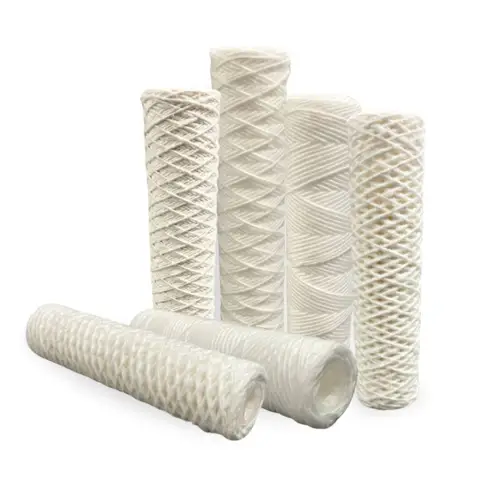
Dust filter bags help separate airborne dust and particulate matter from industrial air streams. Used in compatible dust filtration systems, they support dust control in manufacturing, processing and material handling operations. Amrit Filtration Private Limited can help buyers discuss suitable filter bag requirements based on dust characteristics and equipment specifications.
What Is a Dust Filter Bag?
A dust filter bag is a fabric-based filtration component that captures suspended dust particles from an air stream. It is commonly installed inside an industrial dust filtration system, where air passes through the filter media and particulate matter is retained.
Dust filter bags are used in processes that generate airborne particles during production, material transfer, mixing, cutting, grinding or other industrial activities. The bag provides a filtration surface that separates dust from the moving air, helping the collection system manage particulate matter.
The term dust filter bag covers a broad range of products. Different bags may have different materials, dimensions, surface treatments and attachment arrangements. Therefore, selecting the right product requires an understanding of the dust being filtered and the equipment in which the bag will operate.
How Does a Dust Filter Bag Capture Dust?
The filtration process begins when dust-laden air enters a compatible dust collection system. The system directs the air towards the filter bag, where the media captures particles while allowing air to pass through.
Depending on the media structure and dust characteristics, particles may be retained on the surface or within the filter material. Over time, the collected dust forms a layer on the media. Although this layer can contribute to particle capture, excessive accumulation may increase resistance to airflow.
Many industrial dust collection systems use a cleaning mechanism to remove accumulated particles. Common arrangements include pulse-jet compressed air, reverse-air cleaning and mechanical shaking. The suitable method depends on the equipment design and the type of filter bag installed.
The filter bag must match the system's airflow direction, cleaning method, operating conditions and installation dimensions. Incorrect selection can affect dust collection, airflow and the condition of the filter media.
Where Are Dust Filter Bags Used?
Dust filter bags are relevant to industrial processes that generate airborne particulate matter. Their applications vary according to the material being processed and the design of the dust collection system.
Cement and construction materials: Collection of suitable dust generated during material handling, mixing and processing.
Metal fabrication: Filtration of airborne particles from grinding, polishing and related operations.
Woodworking: Dust collection from cutting, sanding and machining activities.
Chemical manufacturing: Filtration of compatible process dust under suitable operating conditions.
Food processing: Collection of dry ingredient particles and other suitable airborne material.
Pharmaceutical production: Dust filtration in compatible powder handling and manufacturing processes.
Mineral processing: Collection of dust from crushing, screening and conveying operations.
Plastic manufacturing: Filtration of suitable particles generated during processing and finishing.
General industrial production: Dust control around machinery, production lines and material transfer points.
The suitability of a dust filter bag depends on the dust composition, particle characteristics, moisture, temperature and equipment design. Applications involving hazardous or combustible dust may require specialized media and additional safety measures.
Filter Media Options for Dust Filter Bags
Filter media affects particle capture, airflow resistance, chemical compatibility and cleaning performance. The appropriate material depends on the conditions in which the bag will operate.
Common industrial filtration materials may include:
Polyester: Used in suitable general-purpose industrial dust filtration applications.
Polypropylene: Considered for applications where its chemical and operating characteristics meet the process requirements.
Aramid: Used in selected applications requiring resistance to elevated operating temperatures.
PPS: Considered for compatible industrial environments with specific thermal and chemical requirements.
Fiberglass: Used in certain high-temperature filtration applications.
PTFE-based media or treatments: Considered where specific chemical resistance or filtration surface characteristics are required.
These are general industry material options and do not confirm that every material or grade is available from Amrit Filtration.
The final media selection should account for continuous operating temperature, temperature fluctuations, moisture, chemical exposure, dust abrasiveness and the cleaning mechanism. A material that works well in one application may be unsuitable for another.
Construction and Design Considerations
The construction of a dust filter bag determines how it fits into the dust collection system and withstands operating conditions.
Bag dimensions: Length and diameter must match the filter housing and installation arrangement.
Top attachment: The top construction must suit the equipment's mounting method and sealing requirements.
Bottom construction: The bottom may use a closed or otherwise application-specific design, depending on the filter configuration.
Seams and stitching: Construction quality and suitable seam design help the bag withstand the stresses associated with its intended operation.
Surface finish: Depending on the media and application, surface treatments may influence dust release and cleaning behaviour.
Equipment compatibility: The bag must be suitable for the system's airflow direction and cleaning mechanism.
These characteristics should be established from the equipment drawings, existing filter specifications or confirmed application requirements rather than assumed from the product name alone.
Factors That Influence Dust Filter Bag Performance
Several operating factors affect the suitability and performance of a dust filter bag.
Particle characteristics: Particle size, shape and abrasiveness influence filtration and wear.
Dust loading: High dust concentrations can increase the rate at which the filter becomes loaded.
Airflow: The bag must operate within the airflow requirements of the dust collection system.
Temperature: The media must tolerate normal operating temperatures and relevant temperature fluctuations.
Chemical exposure: Moisture, acids, alkalis and other process chemicals can affect material suitability.
Cleaning method: The filter bag must withstand the cleaning arrangement used by the collector.
Installation quality: Incorrect fitment or damaged seals may allow dust to bypass the filtration media.
Considering these factors together helps determine which filter construction is appropriate for the intended application.
Inspection and Replacement of Dust Filter Bags
Routine inspection helps identify changes in filter condition and dust collection performance. Signs that may require investigation include visible fabric damage, dust leakage, increasing pressure drop, reduced airflow or ineffective cleaning.
These symptoms do not always indicate that the bag itself is the only problem. Issues with the cleaning system, airflow, installation or operating conditions can produce similar results. Identifying the underlying cause is important before replacing the filter.
Replacement frequency varies with the filter material, dust characteristics, operating hours and equipment design. Following the manufacturer's maintenance recommendations and monitoring relevant system indicators can help determine when inspection or replacement is necessary.
Why the Right Dust Filter Bag Matters?
A correctly specified dust filter bag can support the performance of a compatible industrial filtration system.
Helps capture airborne dust and particulate matter.
Supports dust control in industrial production and processing areas.
Can help maintain suitable airflow when correctly selected and maintained.
Works with compatible dust collector cleaning systems.
Allows individual filter elements to be replaced where the equipment permits.
Supports industrial dust management when integrated into a properly designed system.
Actual performance depends on the filter media, dust collector design, installation and operating conditions. A filter bag alone cannot guarantee a specific filtration efficiency, emission level or service life.
Dust Filter Bag Manufacturers in Ludhiana — Amrit Filtration
Industrial buyers searching for Dust Filter Bag Manufacturers in Ludhiana can contact Amrit Filtration Private Limited to discuss their dust filtration requirements. The appropriate filter bag depends on the application, dust properties, operating environment, required dimensions and dust collection equipment.
For a product enquiry, buyers can share the existing bag dimensions, dust type, operating temperature, cleaning mechanism and available equipment specifications. These details can help clarify the filter configuration required for the intended application.
Visit Amrit Filtration's website to access the company's contact information and enquire about dust filter bag requirements.