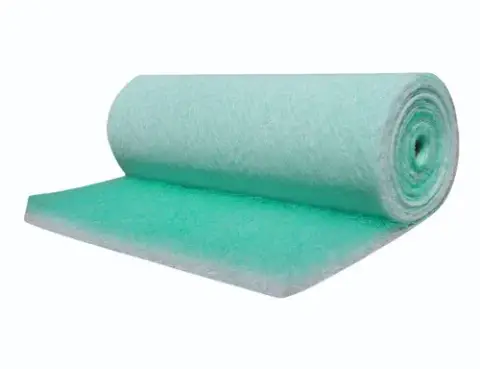
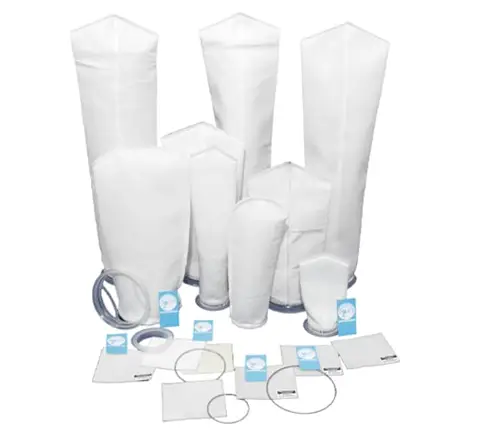
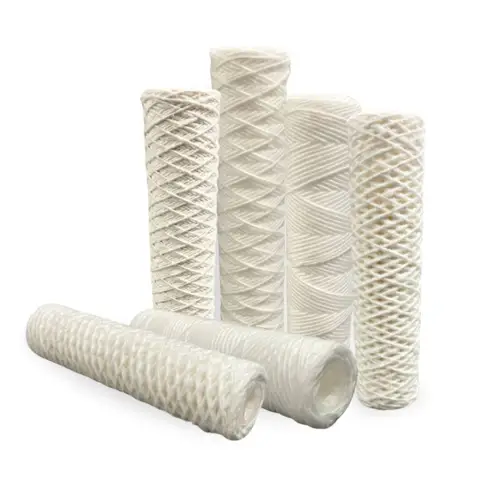
Filter press cloth is a porous filtration medium used in filter press equipment to separate suspended solids from liquids. During the filtration cycle, the cloth retains solid particles while allowing the liquid filtrate to pass through. Amrit Filtration Private Limited can help buyers discuss filter press cloth requirements based on slurry characteristics, equipment design and process conditions.
What Is Filter Press Cloth?
Filter press cloth is a specialised filtration fabric installed in a filter press to separate suspended solids from a liquid mixture, commonly called slurry. It acts as the filtration barrier between the solid material and the filtrate, allowing liquid to pass through while retaining particles on the cloth surface or within its fabric structure.
Filter press cloth plays an important role in solid-liquid separation across industrial processes. The correct fabric helps the filter press operate according to the required filtration conditions and supports the formation of a solid filter cake.
The cloth is not a universal product. Different slurries contain different particle sizes, chemical compounds and moisture levels. Therefore, fabric material, weave, permeability, finishing and construction must be selected according to the process and filter press configuration.
How Does Filter Press Cloth Work?
A filter press separates solids from liquids by applying pressure to a slurry held within a series of filtration chambers.
During the filtration cycle, slurry enters the filter press and contacts the filter cloth installed on the plates. The liquid passes through the porous fabric and is discharged as filtrate, while solid particles are retained to form a filter cake.
As the cake develops, it contributes to the separation process. The rate of filtration and the final cake moisture depend on the slurry properties, applied pressure, cloth characteristics and operating conditions.
Once the filtration cycle is complete, the filter press is opened according to the equipment's operating procedure. The retained filter cake is removed, and the cloth is prepared for the next cycle if its condition permits continued use.
Cloth performance depends on maintaining suitable permeability, particle retention and compatibility with the slurry. An unsuitable fabric can cause slow filtration, poor filtrate clarity, difficult cake release or premature cloth damage.
Important Properties of Filter Press Cloth
1. Filtration Permeability
Permeability determines how readily liquid passes through the cloth under the specified conditions. The correct permeability depends on the slurry, particle size, required filtrate quality and desired filtration rate.
A fabric that is too open may allow unwanted particles to pass through, while a fabric that is too restrictive may slow filtration or increase resistance.
2. Particle Retention
The fabric must retain the required solid particles while allowing the liquid to pass. Particle retention depends on the weave, yarn construction, surface characteristics and the development of the filter cake.
3. Chemical Compatibility
The cloth must withstand contact with the slurry and any cleaning chemicals used during maintenance. Chemical compatibility depends on the fabric material, chemical concentration, temperature and exposure conditions.
4. Mechanical Strength
Filter press cloth experiences mechanical stress during filling, pressing, cake removal and cleaning. Fabric strength and construction must be suitable for the equipment's operating pressure and cycle.
5. Cake Release
After filtration, the solid cake should separate from the cloth as required by the process. Cake-release behaviour depends on the slurry, cloth surface, weave and operating conditions.
Types of Filter Press Cloth Materials
Filter press cloths can be manufactured from different textile materials depending on the application.
Polypropylene filter press cloth: Commonly considered for applications requiring chemical resistance to compatible process liquids. Suitability depends on the actual chemicals, temperature and fabric construction.
Polyester filter press cloth: Used in various industrial filtration applications where its mechanical and chemical properties suit the process.
Polyamide or nylon filter press cloth: May be suitable for selected applications where its strength, flexibility and compatibility meet the operating requirements.
These are general material categories used in industrial filtration. The exact material, weave, finish and availability should be confirmed for the specific product before ordering.
Material selection should never rely on the fabric name alone. Buyers should review the slurry composition, operating temperature, pressure, cleaning method and required filtration performance.
Where Is Filter Press Cloth Used?
Filter press cloth is used in industries that require separation of solids from liquids.
Chemical processing: For filtration of compatible chemical slurries and process mixtures.
Wastewater treatment: For dewatering suitable sludge streams and retaining suspended solids during filter press operation.
Mining and mineral processing: For solid-liquid separation involving mineral slurries and process residues.
Ceramic and mineral products: For filtration of suitable suspensions generated during manufacturing.
Pharmaceutical and speciality processing: For applications where the cloth material and construction meet the process and applicable product requirements.
Food and beverage processing: For selected filtration duties where the fabric is appropriate for the intended use and applicable hygiene requirements.
General manufacturing: For industrial processes that produce slurries requiring mechanical filtration.
The suitable cloth differs between applications. Chemical exposure, particle characteristics and the required filtrate quality must be evaluated before choosing a fabric.
How to Select the Right Filter Press Cloth?
Selecting the correct cloth requires an understanding of the slurry, filtration objective and filter press design.
1. Slurry composition: Identify the liquid, suspended solids and any chemicals that may affect the fabric.
2. Particle size: Consider the size and distribution of the particles that must be retained.
3. Required filtrate clarity: Establish the required level of solid retention and verify that the selected fabric can meet the process specification.
4. Permeability: Select a fabric that balances liquid flow with the required particle retention.
5. Operating pressure: Confirm that the fabric and its construction are appropriate for the filter press operating conditions.
6. Temperature: Check the maximum process temperature against the material's specified limits.
7. Chemical resistance: Verify compatibility with the slurry and any cleaning chemicals.
8. Filter plate design: Confirm plate dimensions, cloth dimensions, feed opening, drainage arrangement and attachment method.
9. Cake-release requirements: Consider how easily the retained solids need to separate from the cloth after filtration.
10. Cleaning and reuse: Determine whether the cloth is intended to be cleaned and reused and follow the manufacturer's maintenance recommendations.
Sharing these details with the supplier helps identify a cloth suited to the actual filtration duty.
Common Filter Press Cloth Problems
A filter press cloth may require inspection if filtration becomes slower, the filtrate contains excessive solids, the filter cake releases poorly or the fabric shows visible damage.
Potential causes include unsuitable permeability, blocked pores, chemical degradation, mechanical wear, incorrect installation or changes in slurry characteristics.
Poor filtration performance does not always mean the cloth itself is defective. Changes in feed concentration, particle size, operating pressure or filter press condition can also affect the cycle.
Before replacing the cloth, review the process conditions and inspect the fabric according to the equipment manufacturer's procedures. The replacement should match the filter plate design and the required filtration characteristics.
Maintenance and Replacement Considerations
Regular inspection helps identify fabric wear, tears, damaged seams, blocked areas and deterioration caused by chemicals or operating conditions.
Cleaning methods should be compatible with the cloth material. Excessive pressure, unsuitable chemicals or improper handling may damage the fabric and shorten its service life.
When ordering replacement filter press cloth, confirm the fabric material, dimensions, weave, permeability, feed opening and attachment design. A visually similar cloth may have different filtration properties and may not deliver the same process results.
Why the Right Filter Press Cloth Matters?
Filter press cloth directly influences solid retention, liquid flow, cake formation and cake release. Selecting a suitable fabric helps the filter press meet its intended filtration requirements.
The correct choice depends on the complete process rather than one specification alone. Material compatibility, permeability, particle size, mechanical strength and equipment configuration should be evaluated together.
Filter Press Cloth Manufacturers in Noida – Amrit Filtration Private Limited
Amrit Filtration Private Limited can discuss filter press cloth requirements with industrial buyers seeking filtration fabrics for compatible solid-liquid separation processes. When making an enquiry, share the slurry details, operating temperature and pressure, filter plate dimensions, required permeability and existing cloth specifications.
For businesses searching for filter press cloth manufacturers in Noida, confirming fabric compatibility and equipment dimensions is an important step before purchasing. Contact Amrit Filtration Private Limited to discuss your application and confirm the appropriate filter press cloth specifications.