
What is a high temperature filter bag?
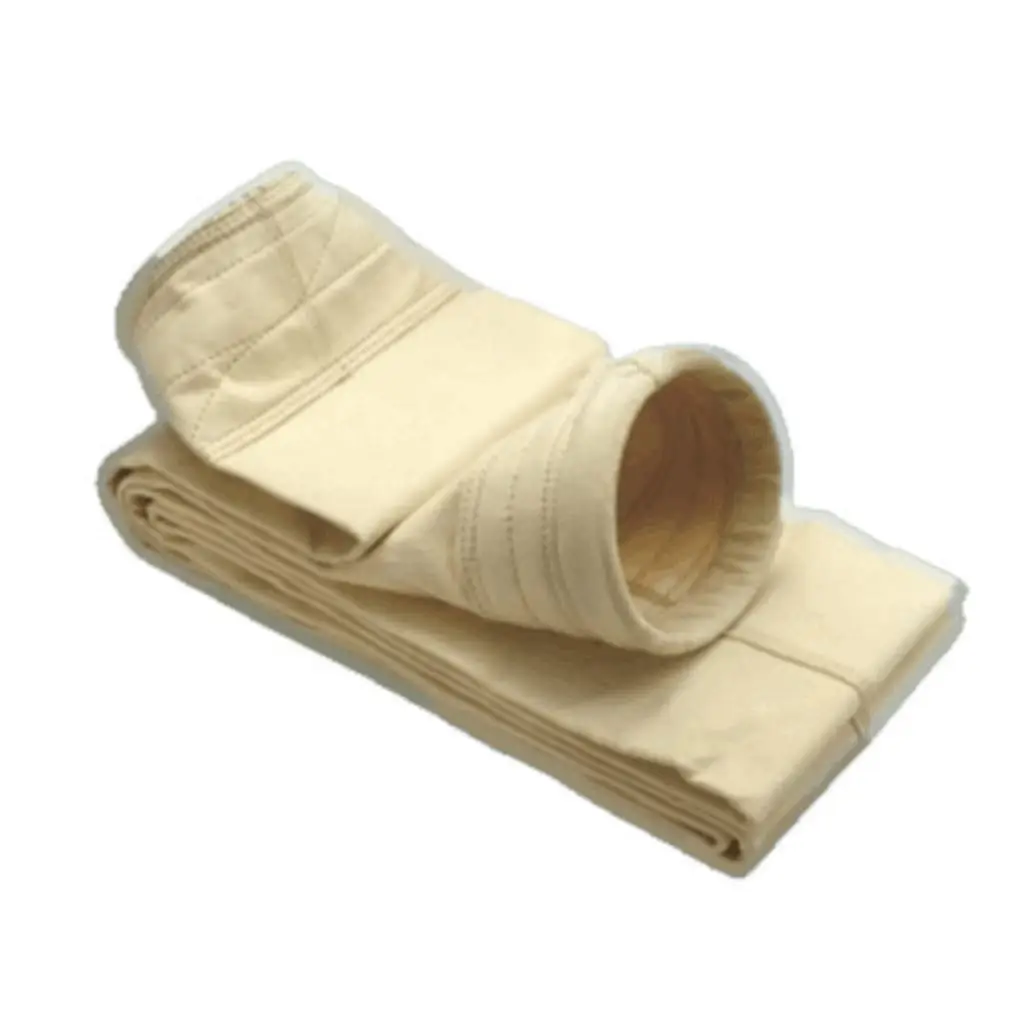
A high temperature filter bag is an industrial filtration component designed for compatible dust collection systems operating at elevated gas temperatures. It captures particulate matter from gas streams.
Dust Collection Filters
High Temperature Filter Bag Manufacturer
High temperature filter bags are designed for industrial dust collection applications involving elevated gas temperatures. Their performance depends on filter media, temperature limits, gas composition, moisture levels and dust characteristics. Selecting a suitable bag requires matching its specifications with the operating conditions and cleaning mechanism of the filtration equipment.
Industrial processes can produce exhaust gases that operate at temperatures beyond the limits of standard filter media. In these conditions, the filter bag must be selected according to the actual thermal and chemical environment of the dust collection system.
A high temperature filter bag is an industrial filtration component designed for applications where elevated temperatures are an important selection factor. Installed in a compatible baghouse or dust collector, it captures particulate matter from a gas stream while allowing the filtered gas to pass through the media.
The term “high temperature” does not indicate one universal operating limit. Different media constructions have different continuous operating temperatures, short-term limits and chemical compatibility characteristics. The correct product must therefore be selected using verified specifications for the particular process.
The filter bag is installed inside a dust collection unit. Dust-laden gas enters the collector and passes through the filter media. Particulate matter is retained on the surface or within the media structure, while the filtered gas continues through the system.
As dust accumulates, resistance to airflow may increase. Depending on the equipment, accumulated dust can be removed through pulse-jet cleaning, reverse-air cleaning or mechanical shaking.
The filter bag must withstand not only the normal gas temperature but also relevant temperature fluctuations, cleaning conditions and chemical exposure. If the media is exposed to temperatures beyond its specified limits, it may deteriorate, lose strength or fail prematurely.
For reliable operation, the filter bag must be compatible with the complete filtration system, including its cleaning mechanism, installation arrangement and operating cycle.
High temperature filter bags may be used in compatible dust collection systems across industries that generate hot exhaust gases and particulate matter.
Cement manufacturing: Suitable filter bags may be used at selected process points where dust collection involves elevated gas temperatures.
Boilers and thermal processes: Certain applications require filtration of fly ash and other particles from exhaust streams, subject to temperature, gas chemistry and moisture conditions.
Metal processing: Compatible filter media may be required for selected high-temperature exhaust and dust collection operations.
Mineral processing: Kilns, dryers and other thermal processing equipment can generate dust-bearing gas streams that require application-specific filtration.
Chemical manufacturing: Filter selection depends on process temperature and the chemical composition of the exhaust gas.
Industrial furnaces and kilns: These systems may require specialised filtration arrangements designed for their particular exhaust conditions.
These examples describe potential industry applications. A specific filter bag must be assessed against the actual process conditions before it is selected for any application.
Filter media selection is central to high-temperature dust collection. Materials used in industrial filtration may include aramid, PPS, glass fibre and PTFE-based media, depending on the application and product construction. These materials have different temperature limits and chemical resistance characteristics.
Aramid media: May be considered for certain industrial applications involving elevated temperatures, subject to the gas chemistry and operating conditions.
PPS media: Used in selected applications where its thermal and chemical characteristics are compatible with the process.
Glass-fibre media: May be used in suitable high-temperature filtration systems, with the construction and treatment selected for the operating environment.
PTFE-based media: May be used in certain demanding filtration applications depending on the specific membrane, fibre or composite construction.
These are general industry material categories and are not confirmation of the materials available from Amrit Filtration. Actual suitability depends on the product grade, media construction, surface treatment and process conditions.
Selecting a filter bag requires more than identifying the maximum gas temperature.
Establish the normal operating temperature and any short-term peaks during start-up, shutdown or process variation. Confirm the permitted continuous and peak temperatures for the exact filter media.
Exhaust gases may contain acidic compounds, alkaline substances or other chemicals that affect filter media. Compatibility must be checked against the actual gas composition.
Moisture can influence dust behaviour, filter performance and media durability. Assess condensation risk and the relationship between gas temperature and dew point.
Particle size, concentration, abrasiveness and dust loading influence the filtration requirements and cleaning behaviour.
The bag must be compatible with the dust collector's cleaning system. Cleaning pressure, frequency and mechanical stress can affect the service life of the media.
Bag length, diameter, top attachment, bottom construction and support cage arrangement must match the collector design.
Confirm the required particle capture performance and any applicable equipment or process requirements. The media must be suitable for the intended filtration duty.
A filter bag may require inspection when the dust collector experiences increased differential pressure, visible dust leakage, reduced airflow, damaged seams or unexpected changes in filtration performance.
In high-temperature applications, deterioration may also result from excessive thermal exposure, chemical attack, condensation or unsuitable cleaning conditions. However, these symptoms can also arise from equipment faults, incorrect installation or changes in process conditions.
Inspect the system according to the equipment manufacturer's maintenance guidance. Before replacing the filter bag, identify the likely cause of the problem and confirm whether the replacement media matches the current operating conditions.
A correctly selected filter bag supports the intended operation of an industrial dust collection system. Relevant benefits include:
Capturing particulate matter from compatible hot gas streams.
Supporting industrial dust control processes.
Matching filtration media to the process temperature and gas composition.
Providing compatibility with the specified collector and cleaning mechanism.
Helping avoid premature media deterioration caused by unsuitable operating conditions.
Actual filtration performance and service life depend on the selected product, installation quality, process conditions and maintenance practices. They should not be assumed from the product category alone.
Amrit Filtration Private Limited can discuss high temperature filter bag requirements with industrial buyers seeking filtration components for compatible dust collection systems. When making an enquiry, share the normal and peak operating temperatures, gas composition, dust characteristics, cleaning method and required bag dimensions.
For businesses searching for high temperature filter bag manufacturers in Noida, confirming the media specifications and compatibility with the actual process is an important step before purchasing. Contact Amrit Filtration Private Limited to discuss your requirements and confirm the appropriate filter bag configuration.
A high temperature filter bag is an industrial filtration component designed for compatible dust collection systems operating at elevated gas temperatures. It captures particulate matter from gas streams.
They may be used in compatible cement, boiler, thermal processing, metal processing, mineral processing and chemical industry applications. The correct bag depends on the process conditions.
Industrial filtration media may include aramid, PPS, glass fibre and PTFE-based materials. The suitable material depends on the operating temperature, gas composition, moisture and dust characteristics.
There is no single temperature limit for all high temperature filter bags. The continuous operating temperature and short-term peak limit must be confirmed for the specific media construction.
It may be suitable for certain boiler dust collection systems. Selection requires checking exhaust temperature, gas chemistry, moisture, fly ash characteristics and the dust collector's cleaning mechanism.
Consider continuous and peak temperatures, gas composition, moisture, dust characteristics, bag dimensions, cleaning method and the required filtration performance.
Certain gases and chemical compounds can affect filter media, especially at elevated temperatures. Media compatibility should be confirmed using the actual process gas composition and product specifications.
Possible signs include visible dust leakage, increased differential pressure, reduced airflow, damaged seams or changes in collector performance. Investigate operating conditions and equipment issues as part of the inspection.
Bag dimensions and construction depend on the collector design and product configuration. Confirm available sizes and attachment options with the supplier before ordering.
Industrial buyers searching for high temperature filter bag manufacturers in Noida can contact Amrit Filtration Private Limited to discuss their application, operating conditions and required specifications.
Customer reviews
★ 0.0 (0 reviews)
Loading reviews...
Similar Picks

Paint & Surface Treatment Filters
Liquid Filtration Products
Liquid Filtration Products
Industrial Filter Cartridges