
What is a wound filter cartridge used for?
A wound filter cartridge is used to remove suspended particles from compatible liquids. Its yarn-wound depth structure captures contaminants as liquid passes through the filtration media.
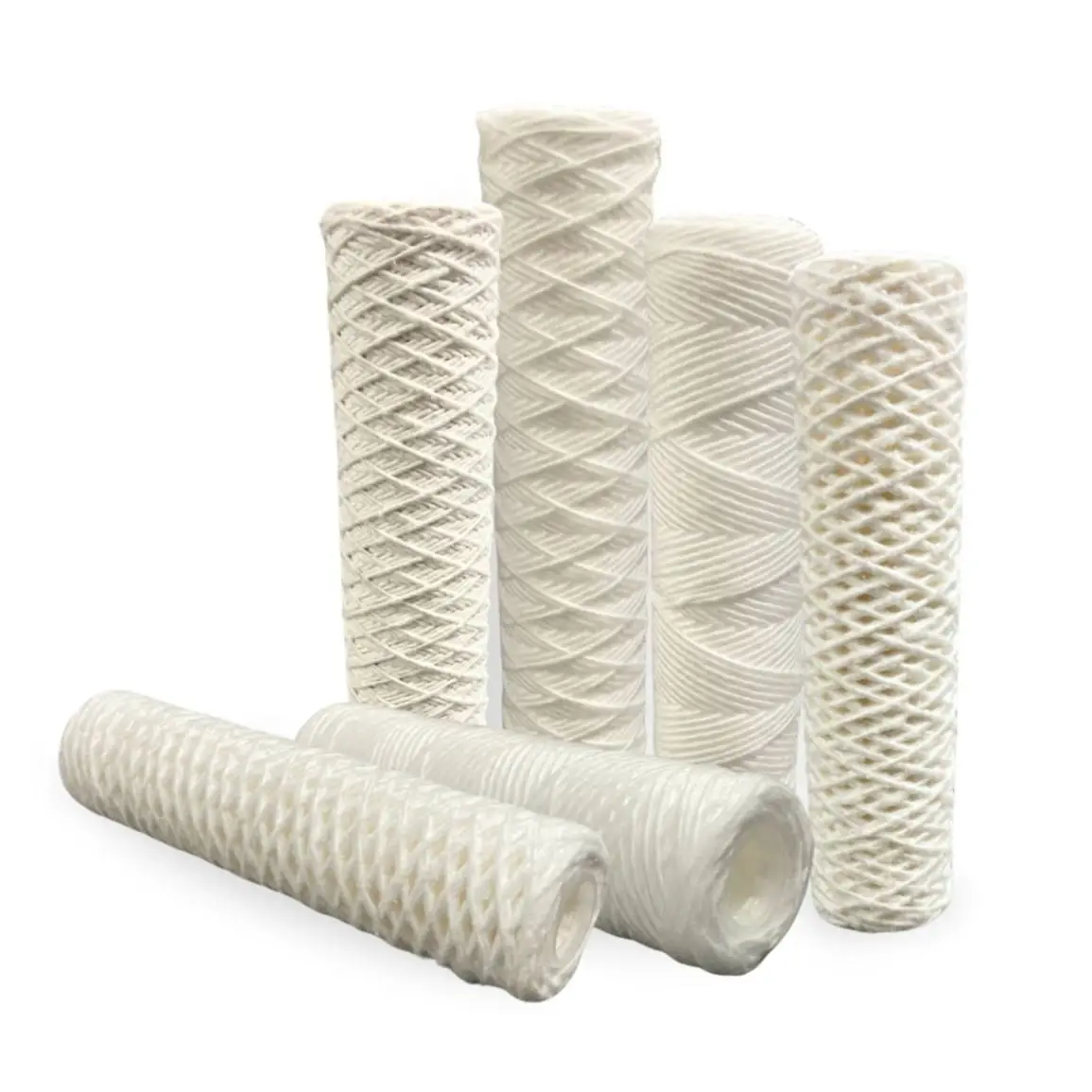
Industrial Filter Cartridges
Wound Filter Cartridge Manufacturer
Wound filter cartridges are designed for industrial liquid filtration, helping retain suspended particles through a yarn-wound depth structure. Suitable selection depends on the required micron rating, filtration media, core material, liquid compatibility and operating conditions. Buyers can discuss their application requirements with Amrit Filtration Private Limited before confirming product specifications and availability.
A wound filter cartridge is a depth filtration component designed to remove suspended particles from liquids in industrial processes. Its yarn-wound construction helps capture contaminants throughout the filtration media. Amrit Filtration Private Limited can be contacted to discuss wound filter cartridge requirements based on micron rating, liquid compatibility, cartridge dimensions and application-specific filtration needs.
A wound filter cartridge is a cylindrical filtration element manufactured by winding yarn around a central core in a controlled pattern. This construction creates a depth filtration structure that can capture suspended particles as liquid passes from the outer surface toward the inner core, depending on the cartridge design and filtration system.
Unlike surface filtration products that primarily retain particles at the media surface, wound cartridges can trap contaminants at different depths within the wound material. Their performance depends on the yarn, winding pattern, micron rating, cartridge dimensions and process conditions.
Wound filter cartridges are used in industrial applications where liquids need to be filtered before further processing, equipment use or transfer to another production stage.
During operation, liquid enters the filter housing and passes through the wound filtration media. Suspended particles are retained within the yarn structure, while filtered liquid continues through the cartridge and exits the housing.
The winding pattern and density influence how particles are captured throughout the media. Some cartridge designs use a progressively denser structure to support depth filtration, although the exact construction varies by product.
As contaminants accumulate, the cartridge may develop increased flow resistance. Monitoring differential pressure, flow rate and filtration performance helps determine when replacement is required. The cartridge should always be operated within its specified pressure, temperature and chemical compatibility limits.
Depth filtration construction: The wound yarn structure can retain particles throughout the media rather than only at the outer surface.
Multiple application possibilities: Depending on the materials and specifications, wound cartridges may be suitable for different industrial liquid filtration processes.
Application-based selection: Micron rating, cartridge length, yarn type, core material and housing compatibility can be considered when selecting a suitable product.
Replaceable filtration element: Wound cartridges are commonly used as replaceable consumables in compatible filter housings.
Different material configurations: Industrial designs may use different yarn and core materials to meet specific filtration and fluid compatibility requirements. Actual material options must be confirmed before ordering.
The suitability of a wound filter cartridge depends on the liquid being processed, the contaminants present and the required filtration result. Common application areas may include:
Water treatment: Pre-filtration for suspended solids in compatible water treatment systems.
Chemical processing: Filtration of process liquids where the selected yarn and core materials are chemically compatible.
Paints and coatings: Removal of suitable suspended contaminants from compatible liquid formulations.
Manufacturing operations: Filtration of process fluids used in production systems.
General industrial filtration: Particle reduction before downstream equipment or subsequent filtration stages.
Pre-filtration systems: Retention of larger particles before a finer filtration stage, where the process design requires it.
Not every wound cartridge is suitable for every application. Chemical compatibility, operating temperature, pressure and the required level of filtration should be evaluated before installation.
Selecting the correct cartridge helps maintain suitable filtration performance and avoid unnecessary replacement. Before placing an order, consider the following factors.
1. Micron rating: Identify the particle size that needs to be retained. Confirm whether the stated rating is nominal or absolute, as these terms describe different filtration expectations.
2. Filtration material: Yarn material should be compatible with the process liquid and operating conditions. Polypropylene, cotton and other yarn materials are used in the wider industry, but the available options must be confirmed with the supplier.
3. Core material: The core supports the wound media and must be compatible with the fluid and operating conditions. Core options vary by cartridge design.
4. Cartridge dimensions: Check the required length, outer diameter, inner diameter and end configuration against the existing filter housing.
5. Operating conditions: Consider temperature, pressure, flow rate and the properties of the liquid being filtered. Use only a cartridge rated for the intended conditions.
6. Contaminant characteristics: Particle size, concentration and contaminant type can affect cartridge life and filtration performance.
7. Process requirements: Determine whether the cartridge will be used for preliminary filtration, process protection or another defined filtration stage.
The Wound Filter Cartridge Price depends on the cartridge's specifications and intended application. A cartridge with a different micron rating, yarn material, core construction or size may have a different cost.
Factors that can influence pricing include:
Required micron rating and filtration characteristics
Yarn and core materials
Cartridge length and dimensions
Required end configuration
Operating conditions and application requirements
Order quantity and any special specifications
For an accurate quotation, provide the supplier with your required cartridge dimensions, micron rating, fluid details, operating conditions and quantity. Comparing products only by price may lead to an unsuitable selection if their filtration specifications are different.
If you plan to Buy Wound Filter Cartridge products for an industrial process, first confirm the requirements of your filter housing and filtration system. Check the cartridge dimensions, micron rating, material compatibility and operating limits before finalising the product.
It is also useful to explain the filtration objective, such as reducing suspended particles, protecting downstream equipment or preparing liquid for a later filtration stage. This information helps the supplier understand the application and identify which specifications need to be verified.
Amrit Filtration Private Limited can be contacted to discuss industrial filtration requirements and enquire about suitable wound filter cartridge options. Buyers searching for Wound Filter Cartridge Manufacturers in Aurangabad should confirm the product's specifications, availability, compatibility and quotation directly with the supplier before placing an order.
A wound filter cartridge is used to remove suspended particles from compatible liquids. Its yarn-wound depth structure captures contaminants as liquid passes through the filtration media.
A wound cartridge uses yarn wound around a central core to create depth filtration media. A pleated cartridge uses folded filtration media to provide a different filtration structure and available surface area. The appropriate type depends on the application and required filtration performance.
Potential applications include water treatment, chemical processing, paints and coatings, manufacturing and general industrial liquid filtration. Suitability depends on the fluid, contaminants and cartridge materials.
The available ratings depend on the product range and construction. Confirm the required micron rating and whether it is nominal or absolute before purchasing.
Consider the liquid being filtered, contaminant size, micron rating, yarn material, core material, cartridge dimensions, flow requirements and operating temperature and pressure.
The wider industry uses different yarn materials, including polypropylene and cotton, along with different core materials. The actual options available for a particular product should be confirmed with the supplier.
Price can vary according to micron rating, materials, dimensions, end configuration, quantity and application-specific requirements. Request a quotation using the complete product specifications.
Replacement may be needed when pressure drop increases, flow decreases, the cartridge becomes damaged or the filtration result no longer meets process requirements. Follow the system's maintenance guidance.
Do not assume that a wound cartridge is reusable. Cleaning can affect its construction and filtration performance. Reuse should only be considered if the manufacturer confirms that the specific cartridge is designed for it.
Industrial buyers can contact Amrit Filtration Private Limited to discuss their requirements and enquire about suitable products. Before ordering, confirm dimensions, micron rating, material compatibility, availability and price.
Customer reviews
★ 0.0 (0 reviews)
Loading reviews...
Similar Picks
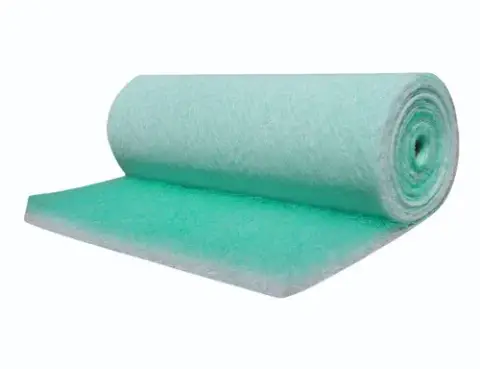
Paint & Surface Treatment Filters
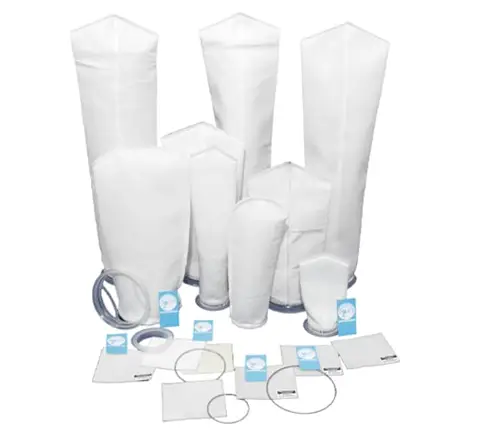
Liquid Filtration Products
Liquid Filtration Products
Paint & Surface Treatment Filters