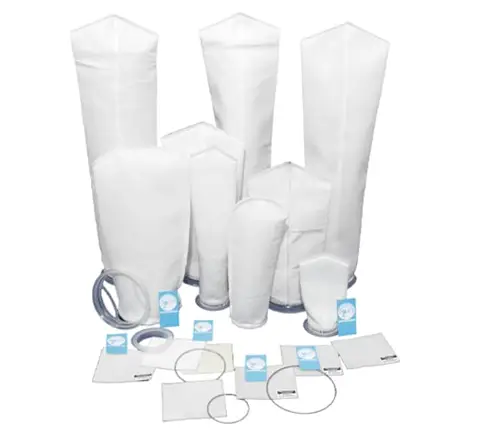
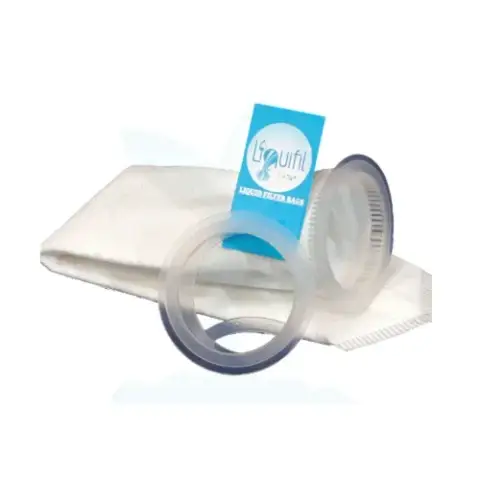
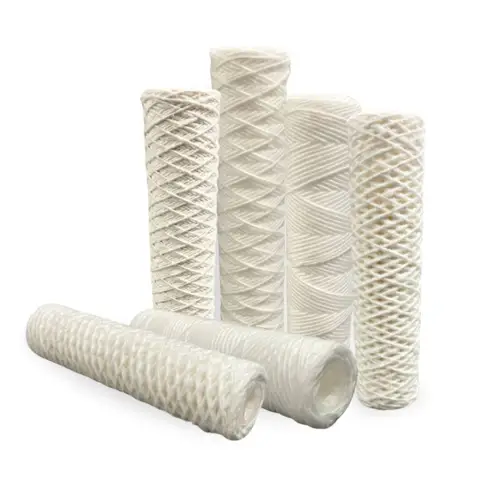
Filter bags are used to separate unwanted particles from air, gases or liquids, depending on the filtration system and bag design. They support filtration processes across manufacturing, processing and material handling operations. Amrit Filtration Private Limited can help buyers discuss filter bag requirements based on the application, filtration medium, operating conditions and equipment specifications.
A filter bag is a replaceable filtration component used to separate solid particles from a fluid stream. Depending on its design, it can be used for dust collection in air and gas filtration systems or for removing suspended contaminants from industrial liquids.
Filter bags are not a single, universal product. Their construction, filter media, dimensions and operating limits vary according to the application. An air filtration bag used in a dust collector, for example, has different requirements from a liquid filter bag installed in a process vessel.
Choosing the correct type begins with understanding what needs to be filtered and how the filtration equipment operates.
How Does a Filter Bag Work?
The working principle depends on the type of filtration system.
In industrial dust collection, dust-laden air or gas passes through the filter media. Particles are retained on the surface or within the material while the filtered stream passes through. Depending on the equipment, accumulated dust may be removed using a suitable cleaning mechanism.
In liquid filtration, the liquid flows through a compatible filter bag installed inside a filter housing. Suspended particles are retained by the media while the filtered liquid moves downstream. The bag must be compatible with the liquid, operating pressure, temperature and required filtration level.
In both applications, filtration performance depends on the media structure, particle characteristics, flow conditions and system design. A filter bag should therefore be selected for its intended process rather than by appearance or dimensions alone.
Different Types of Filter Bags
Industrial filter bags can be grouped by the material being filtered, the media used and the equipment in which they operate.
Dust collector filter bags: Used in compatible industrial dust collectors to capture airborne particles generated during production, processing or material handling.
High-temperature filter bags: Designed for selected applications involving elevated operating temperatures. The permissible temperature depends on the specific filter media and process conditions.
Liquid filter bags: Installed in compatible liquid filtration housings to retain suspended particles from process liquids.
Micron-rated filter bags: Selected according to the required particle-retention rating and the manufacturer's stated filtration performance.
Specialised filter bags: Certain applications require specific media, surface treatments, dimensions or construction features to suit the process environment.
These categories may overlap, and each product must be evaluated according to its intended application. Buyers should confirm the exact filter bag type before ordering.
Materials Used in Industrial Filter Bags
Filter bag media is selected according to the filtration process and operating environment. Common material categories in the wider filtration industry include polyester, polypropylene, aramid, PPS, glass fibre and PTFE-based materials. The suitability and availability of any material must be confirmed for the specific product.
For air and gas filtration, important considerations include temperature resistance, dust release, chemical compatibility, moisture and resistance to mechanical stress.
For liquid filtration, the media must be compatible with the liquid being processed. Chemical exposure, operating temperature, pressure, particle loading and the required filtration rating all influence material selection.
The material alone does not determine performance. Media construction, seams, attachment design and the filtration equipment also affect the final result.
Where Are Filter Bags Used?
Filter bags serve different purposes across industrial operations, depending on their design.
Manufacturing plants: For filtration associated with production and material handling.
Cement and mineral processing: For compatible dust collection applications.
Metalworking facilities: For collecting dust and particulate matter from selected processes.
Chemical processing: For air, gas or liquid filtration where the media is compatible with the process.
Food and beverage processing: For suitable filtration stages using media approved for the intended application.
Paint and powder coating operations: For compatible air filtration and powder collection systems.
Water and industrial liquid processing: For retaining suspended solids from compatible liquids.
Not every filter bag is suitable for every industry or process. Application-specific requirements should be checked before choosing a product.
Factors to Consider Before Selecting a Filter Bag
A suitable filter bag should match the requirements of the filtration equipment and the material being processed.
1. Type of filtration: Determine whether the application involves dust-laden air, exhaust gases or industrial liquids.
2. Filter media: Choose material based on the process conditions, chemical exposure, temperature and required filtration performance.
3. Particle characteristics: Consider particle size, concentration, shape and whether the particles are abrasive or sticky.
4. Required filtration rating: For liquid applications, confirm the specified micron rating and whether it represents nominal or absolute performance. For dust collection, assess the required particulate capture and equipment performance.
5. Operating conditions: Check temperature, pressure, flow rate, moisture and any relevant process variations.
6. Dimensions and construction: Confirm bag length, diameter, seams, attachment method and compatibility with the existing equipment.
7. Cleaning or replacement method: Determine whether the bag is designed for a cleaning system or is replaced after reaching its service limit.
Providing these details before ordering helps reduce the risk of selecting an unsuitable filter bag.
Signs That a Filter Bag Needs Inspection
A filter bag may need inspection or replacement when the system shows a change in performance. For dust collection, indicators can include increased differential pressure, visible dust leakage, damaged seams or reduced airflow. In liquid filtration, a rise in pressure drop, reduced flow or visible bag damage may indicate that attention is required.
These symptoms do not always mean the filter bag itself is the only problem. Incorrect installation, unsuitable operating conditions, excessive contaminant loading or equipment issues may also contribute. Inspect the system and identify the underlying cause before choosing a replacement.
Why Correct Filter Bag Selection Matters?
The right filter bag helps the filtration system operate according to its intended design. An unsuitable bag may lead to poor particle retention, excessive pressure drop, premature damage or maintenance difficulties.
Before purchasing, compare the required specifications with the existing filter bag and equipment documentation. If the process has changed, reassess the media and construction requirements instead of automatically selecting the same product.
Filter Bag Manufacturers in Hyderabad – Amrit Filtration Private Limited
Amrit Filtration Private Limited can discuss industrial filter bag requirements with buyers seeking filtration products for their applications. When enquiring, provide the filtration type, process details, required dimensions, media preference and equipment specifications wherever available.
For businesses searching for filter bag manufacturers in Hyderabad, confirming the intended application and product specifications is an important step towards selecting a suitable filtration component. Contact Amrit Filtration Private Limited to discuss your filter bag requirements and confirm the appropriate product configuration.