
What is a liquid filter bag used for?
A liquid filter bag is used to remove suspended particles from compatible liquids. It is installed in a suitable filter housing and helps reduce contaminants before the liquid moves to another process stage.
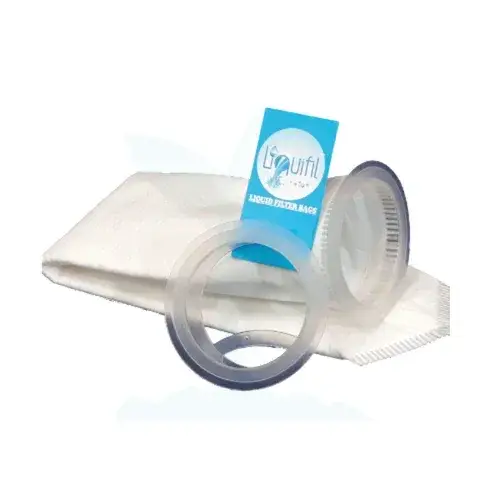
Liquid Filtration Products
Liquid Filter Bag Manufacturer
Liquid filter bags support industrial liquid filtration by capturing suspended solids while allowing compatible liquids to pass through the filter media. They are used in applications where particle removal and process cleanliness are important. Selection depends on the liquid, contaminant type, micron rating, bag material, housing dimensions and operating conditions.
A liquid filter bag is used to separate suspended particles and unwanted contaminants from liquids during industrial processing. Installed inside a compatible filter housing, it allows liquid to pass through the filtration media while retaining particles. Amrit Filtration Private Limited can be contacted to discuss liquid filter bag requirements based on micron rating, material compatibility, dimensions and application needs.
A liquid filter bag is a replaceable filtration component designed to remove suspended solids from liquids. It is generally installed inside a filter housing through which the process liquid flows. As the liquid passes through the bag's filtration media, particles are retained while the filtered liquid continues through the system.
Liquid filter bags are used in industrial processes that require the removal of unwanted particles before a liquid is transferred, reused, packaged or sent to the next production stage. The bag's construction, filtration rating and material determine its suitability for a particular application.
Unlike a filter cartridge, which typically has a cylindrical shape, a liquid filter bag is designed as a bag-shaped element that fits a compatible bag filter housing. The correct design depends on the system configuration and filtration requirements.
A liquid filter bag works by retaining suspended contaminants as liquid passes through its filtration media. The bag is positioned inside a suitable housing, and the system directs the process liquid through the filter element.
The filtration process involves three main stages:
Liquid entry: Unfiltered liquid enters the filter housing and reaches the installed bag.
Particle retention: The filtration media captures particles according to its construction and specified filtration characteristics.
Filtered liquid discharge: The liquid passes through the media and exits the housing for further processing or use.
As particles accumulate, the resistance to liquid flow may increase. Monitoring flow rate and pressure difference across the filter helps determine when inspection or replacement is necessary.
Different filtration requirements may call for different bag materials and construction types. The appropriate option depends on the process liquid, particles and operating conditions.
Polypropylene filter bags: Polypropylene is used in liquid filtration applications where its chemical compatibility and operating limits suit the process. The specific grade and construction should be checked before use.
Polyester filter bags: Polyester media may be considered for compatible industrial liquids where its physical and chemical properties meet the application requirements.
Nylon filter bags: Nylon is used in certain filtration applications that require suitable mechanical properties and compatibility with the process fluid.
Felt filter bags: Felt media can provide depth filtration, retaining particles within the structure of the material.
Mesh filter bags: Mesh bags are used for applications requiring particle separation through a defined mesh structure. Their suitability depends on the required particle retention and process conditions.
These are general industrial filter bag categories. Confirm the actual material and construction options available from Amrit Filtration Private Limited before specifying or ordering a product.
Liquid filter bags can be used across various industries where removing suspended particles helps protect equipment, maintain process consistency or prepare liquids for subsequent operations.
Water treatment: Used in compatible systems to reduce suspended solids as part of a filtration process.
Chemical processing: Suitable for filtering process liquids when the bag material is compatible with the chemicals involved.
Paints and coatings: May help remove unwanted particles from compatible liquid formulations.
Food and beverage processing: Used only where the selected product meets the application's material, hygiene and regulatory requirements.
Pharmaceutical and related processing: Requires careful selection based on process requirements and applicable quality standards.
Automotive and manufacturing: May be used to filter compatible industrial fluids and process liquids.
Oil and lubricant processing: Applicable where the filter media is compatible with the fluid and operating conditions.
General industrial production: Can be used before downstream equipment or as part of a multi-stage filtration system.
A liquid filter bag should not be selected on application name alone. Fluid chemistry, temperature, pressure, particle characteristics and required filtration performance must also be considered.
Choosing the correct bag can help avoid premature blockage, poor particle retention and compatibility problems. Review the following points before purchasing.
1. Micron rating: Identify the particle size that needs to be retained. Confirm whether the offered rating is nominal or absolute, since the two terms do not mean the same thing.
2. Filter media: Select a material suitable for the process liquid. Polypropylene, polyester, nylon and other media have different compatibility and operating characteristics.
3. Bag size: Check the required length, diameter and overall dimensions against the existing filter housing.
4. Collar or ring configuration: The top ring, collar or attachment arrangement must match the housing design to ensure correct installation and sealing.
5. Operating temperature: Confirm the maximum permitted temperature for the complete bag construction, not just the base material.
6. Operating pressure and flow: Consider system pressure, flow requirements and the pressure difference at which the bag should be inspected or replaced.
7. Contaminant load: Liquids containing high concentrations of suspended solids may require more frequent filter changes or a suitable pre-filtration stage.
8. Chemical compatibility: Check the compatibility of the filter media and construction with the liquid, concentration and operating temperature.
9. Filtration objective: Decide whether the purpose is coarse filtration, process protection, polishing or preparation for a finer filtration stage.
10. Replacement requirements: Consider the availability of a suitable replacement bag and the maintenance procedures used by the facility.
The Liquid Filter Bag Price depends on the product's material, dimensions, filtration rating and intended application. Bags designed for different particle sizes or operating conditions may have different specifications and costs.
Common factors affecting price include:
Filter media and construction
Required micron rating or mesh specification
Bag dimensions and capacity
Collar, ring or attachment design
Operating temperature and chemical compatibility requirements
Order quantity and any special manufacturing requirements
To obtain a meaningful quotation, share the type of liquid, required filtration rating, bag dimensions, operating conditions and quantity. Comparing products only by price can be misleading if their construction and filtration characteristics differ.
Before you Buy Liquid Filter Bag products for your facility, identify the filtration requirement and confirm the specifications of your existing filter housing. A correctly sized bag with suitable media helps support effective particle retention and reliable system operation.
Prepare the following information when enquiring with a supplier:
Name or type of liquid being filtered
Required micron rating or mesh specification
Existing bag dimensions and collar configuration
Operating temperature and pressure
Nature and approximate concentration of contaminants
Required quantity and intended application
If you are replacing an existing filter bag, providing its specifications or a clear photograph of the product and housing may help clarify the required configuration. All dimensions and compatibility details should still be verified before an order is confirmed.
Amrit Filtration Private Limited can be contacted to discuss industrial liquid filtration requirements and enquire about suitable filter bag options. Buyers searching for Liquid Filter Bag Manufacturers in Raipur should confirm the available materials, product specifications, price and suitability for their application directly with the supplier.
Regular inspection helps identify when a liquid filter bag is no longer performing as required. A rising pressure difference, reduced flow rate, damaged media or a change in filtration quality may indicate that inspection or replacement is needed.
The correct replacement interval depends on the contaminant load, liquid properties, filtration rating and system operating conditions. There is no single replacement schedule suitable for every application.
Before removing a used bag, follow the equipment manufacturer's isolation, depressurisation and handling procedures. Dispose of the used filter according to the nature of the retained contaminants and applicable site requirements. Reuse should only be considered if the specific bag is designed for it and the supplier's instructions permit it.
A liquid filter bag is used to remove suspended particles from compatible liquids. It is installed in a suitable filter housing and helps reduce contaminants before the liquid moves to another process stage.
Consider the liquid type, particle size, micron rating, media material, bag dimensions, collar configuration, flow rate, temperature and operating pressure. The selected bag must also fit the existing housing.
Industrial liquid filter bags may use polypropylene, polyester, nylon, felt or mesh media, depending on the design. Confirm the actual material options and fluid compatibility with the supplier.
Available micron ratings depend on the product range and construction. Confirm the required rating and whether it is nominal or absolute before purchasing.
They may be used in water treatment, chemical processing, paints and coatings, manufacturing and other industrial liquid filtration applications. Food, beverage and pharmaceutical uses require additional suitability checks.
Price may depend on material, micron rating, bag dimensions, collar design, quantity and application requirements. Providing complete specifications helps the supplier prepare a relevant quotation.
Replacement frequency depends on the contaminant load and process conditions. Increased pressure difference, reduced flow, visible damage or unsatisfactory filtration may indicate that the bag needs replacement.
Not all liquid filter bags are reusable. Reuse depends on the bag's design, retained contaminants, cleaning method and supplier instructions. Confirm suitability before attempting to clean and reuse a bag.
A liquid filter bag is a bag-shaped element fitted into a bag filter housing, while a filter cartridge is generally a cylindrical element fitted into a compatible cartridge housing. The choice depends on the system design and filtration requirements.
Industrial buyers can contact Amrit Filtration Private Limited to discuss their application and enquire about suitable liquid filter bag options. Confirm material, micron rating, dimensions, availability and price before placing an order.
Customer reviews
★ 0.0 (0 reviews)
Loading reviews...
Similar Picks
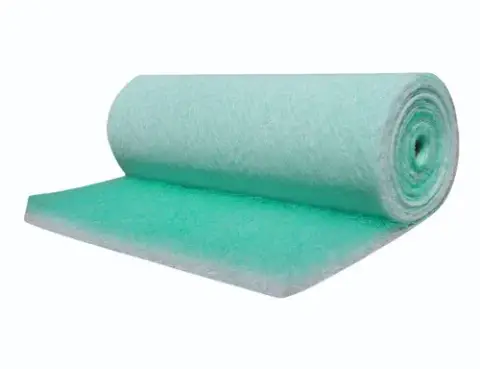
Paint & Surface Treatment Filters
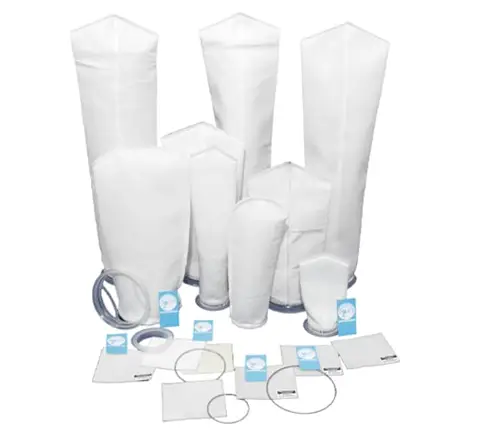
Liquid Filtration Products
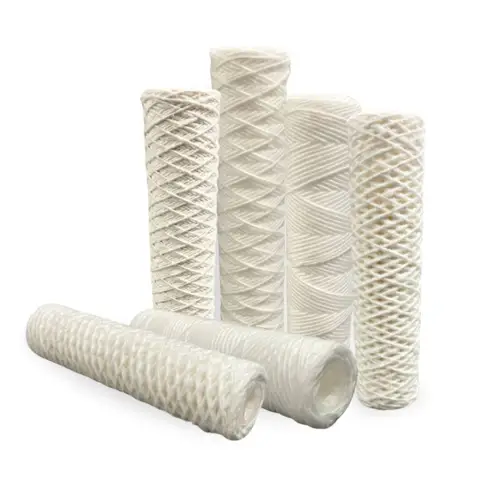
Industrial Filter Cartridges
Paint & Surface Treatment Filters