What is a PP filter bag?
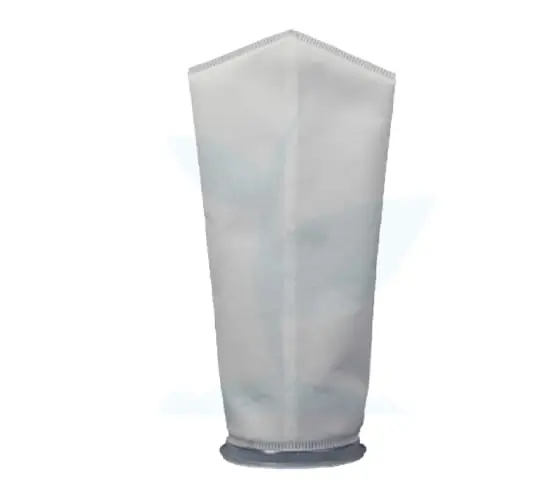
A PP filter bag is an industrial filtration component made from polypropylene media. It is used in compatible liquid filtration systems to retain suspended particles while allowing liquid to pass through.
Liquid Filtration Products
PP Filter Bag Manufacturer
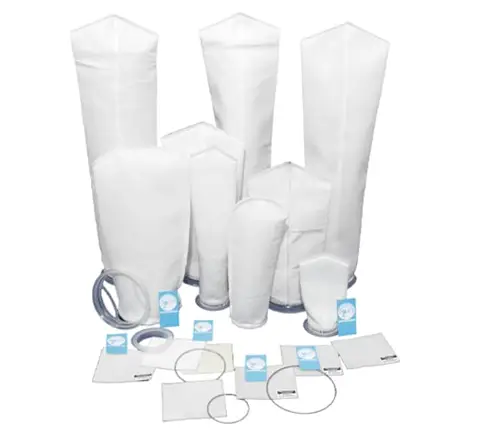
PP filter bags are industrial filtration components made from polypropylene media for compatible liquid filtration applications. They retain suspended particles while allowing liquid to pass through the filter material. Selection depends on micron rating, liquid chemistry, operating temperature, flow requirements, bag dimensions and compatibility with the filtration housing.
A PP filter bag is a filtration component made from polypropylene, a thermoplastic polymer used in various industrial filtration applications. The bag is installed in a compatible filter housing, where it helps separate suspended solids from a process liquid.
During filtration, liquid passes through the bag's media while particles are retained on the surface or within the material structure. The filtered liquid then exits the housing through the system's designated outlet.
PP filter bags are selected for applications where the material's chemical and operating characteristics are compatible with the process. The correct product depends on the liquid composition, temperature, pressure, particle characteristics and required filtration performance.
Polypropylene is not suitable for every chemical or operating environment. Buyers should verify the selected bag's material compatibility and product specifications before use.
A typical liquid filtration system places the PP filter bag inside a filter housing or vessel. The process liquid enters the housing and flows through the filter media under the system's operating pressure.
The media retains suspended contaminants according to its construction and filtration characteristics, while the liquid passes through. As particles accumulate, the resistance to flow may increase, potentially causing a higher pressure drop or reduced flow rate.
The filter bag may need replacement when it reaches the applicable operating limit, becomes damaged or no longer meets the process requirements. The exact replacement criteria depend on the filtration system and product instructions.
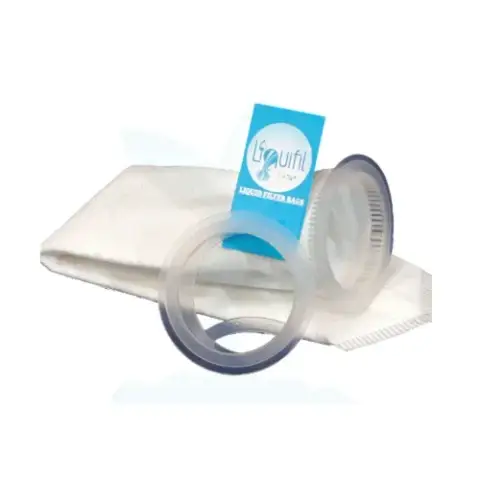
Correct installation is essential. The bag must fit the housing and sealing arrangement so that liquid does not bypass the filter media.
Polypropylene is used in industrial filtration because its properties can suit many liquid filtration applications. However, its suitability depends on the specific chemical, temperature and mechanical conditions.
Chemical compatibility: Polypropylene can be compatible with many process liquids, but compatibility must be checked against the actual chemical composition, concentration and temperature.
Low moisture absorption: Polypropylene has low water absorption, which can be useful in certain liquid filtration applications.
Lightweight construction: Polypropylene is relatively lightweight, supporting practical handling and installation.
Different media constructions: Polypropylene filter media may be produced in different constructions, depending on the product design and filtration requirements.
These general material characteristics do not guarantee suitability for every application. The complete filter bag specification should be reviewed before purchase.
Polypropylene filter bags may differ in their fabric construction and manufacturing details.
Needle-felt media consists of fibres mechanically entangled to form a filtration material. Its suitability depends on the fabric structure, particle characteristics and intended filtration duty.
Woven media uses interlaced yarns to create a defined fabric structure. The resulting filtration characteristics depend on the weave, yarn and product design.
Some filter media may use specialised finishes or construction features for particular applications. The actual finish and availability must be confirmed with the supplier.
These are general industry construction categories, not confirmation that every type is offered by Amrit Filtration. Buyers should specify the required application and confirm the available product configuration.
PP filter bags may be used in compatible industrial liquid filtration processes, including:
Chemical processing: Filtration of compatible process liquids where the polypropylene material can withstand the chemical exposure.
Water and wastewater treatment: Removal of suspended solids in suitable filtration stages, depending on the required filtration performance.
Paints and coatings: Filtration of compatible liquid formulations where the bag media is appropriate for the product chemistry and process requirements.
Industrial manufacturing: Filtration of process liquids used in production and equipment operations.
Surface treatment and metal finishing: Removal of suspended particles from compatible process baths or liquids.
General process filtration: Applications where liquid composition, temperature, pressure and contaminant characteristics match the filter bag specifications.
These examples are potential applications rather than confirmation of suitability for every process. Specialised requirements, including food-contact or pharmaceutical applications, need separate material and regulatory verification.
The correct PP filter bag should match the process liquid and filtration equipment.
1. Micron rating: Identify the required particle-retention level. Confirm whether the stated rating is nominal or absolute and review the manufacturer's performance information.
2. Chemical compatibility: Check the liquid composition, concentration and temperature against the polypropylene media and other bag components.
3. Operating temperature: Verify the allowable temperature range for the selected product.
4. Pressure conditions: Confirm compatibility with the filtration system's operating pressure and applicable differential-pressure limits.
5. Flow rate: Select a bag suitable for the required liquid flow and acceptable pressure drop.
6. Bag dimensions: Check the required length, diameter and attachment configuration against the filter housing.
7. Particle characteristics: Consider particle size, concentration and whether the contaminants may block the media or affect filtration performance.
8. Sealing and installation: Ensure the bag fits the housing correctly and that the sealing arrangement prevents bypass.
9. Replacement requirements: Confirm the appropriate inspection and replacement procedure for the selected product.
Providing these details when enquiring helps identify a filter bag suited to the actual process.
A PP filter bag may need inspection if liquid flow decreases, pressure drop increases, contaminants appear downstream or the bag shows physical damage.
Possible causes include contaminant loading, unsuitable micron rating, chemical incompatibility, incorrect installation or operating conditions outside the product's specifications.
A rise in pressure drop does not always mean the filter bag is defective. Changes in the process liquid, excessive solids loading or problems with the filter housing may also contribute.
Before replacing the bag, investigate the likely cause and check the system's operating conditions. Select a replacement that matches the required filtration performance and material compatibility.
PP filter bags should be inspected and replaced according to the filtration system's operating requirements and the product manufacturer's guidance.
Before removing a used bag, follow the site's pressure-isolation and liquid-handling procedures. The appropriate precautions depend on the liquid being filtered and any associated hazards.
When ordering replacements, confirm the polypropylene media type, micron rating, dimensions, attachment design and compatibility with the process liquid. A bag that looks similar may have different filtration characteristics.
Amrit Filtration Private Limited can discuss PP filter bag requirements with industrial buyers seeking filtration components for compatible liquid filtration systems. When making an enquiry, share the process liquid, chemical composition, required micron rating, operating temperature, pressure conditions and filter housing dimensions.
For businesses searching for PP filter bag manufacturers in Rudrapur, confirming the polypropylene material compatibility and filtration specifications is an important step before purchasing. Contact Amrit Filtration Private Limited to discuss your application and confirm the appropriate PP filter bag configuration.
A PP filter bag is an industrial filtration component made from polypropylene media. It is used in compatible liquid filtration systems to retain suspended particles while allowing liquid to pass through.
PP stands for polypropylene, a thermoplastic polymer used in various industrial filtration applications.
They may be used in compatible chemical processing, water treatment, manufacturing, paints and coatings, and other liquid filtration applications, depending on material compatibility and filtration requirements.
Polypropylene is compatible with many chemicals, but not all. Suitability depends on the chemical composition, concentration, temperature and other operating conditions.
Available micron ratings depend on the product range. Confirm the required rating and whether it is nominal or absolute with the supplier before ordering.
Consider the process liquid, chemical compatibility, micron rating, temperature, operating pressure, flow rate, bag dimensions and filter housing design.
Only when the selected product is rated for the operating temperature and compatible with the process liquid. Verify the manufacturer's temperature limits before use.
Replacement may be necessary when pressure drop increases, flow decreases, the bag becomes damaged or filtration performance no longer meets process requirements. Follow the system's maintenance guidance.
Reusability depends on the bag's construction, the contaminants and the manufacturer's instructions. Do not assume that every polypropylene filter bag is designed for cleaning and reuse.
Industrial buyers searching for PP filter bag manufacturers in Rudrapur can contact Amrit Filtration Private Limited to discuss liquid filtration requirements, micron ratings and bag dimensions. Confirm product availability and specifications before ordering.
Customer reviews
★ 0.0 (0 reviews)
Loading reviews...
Similar Picks
Paint & Surface Treatment Filters
Liquid Filtration Products
Liquid Filtration Products
Industrial Filter Cartridges